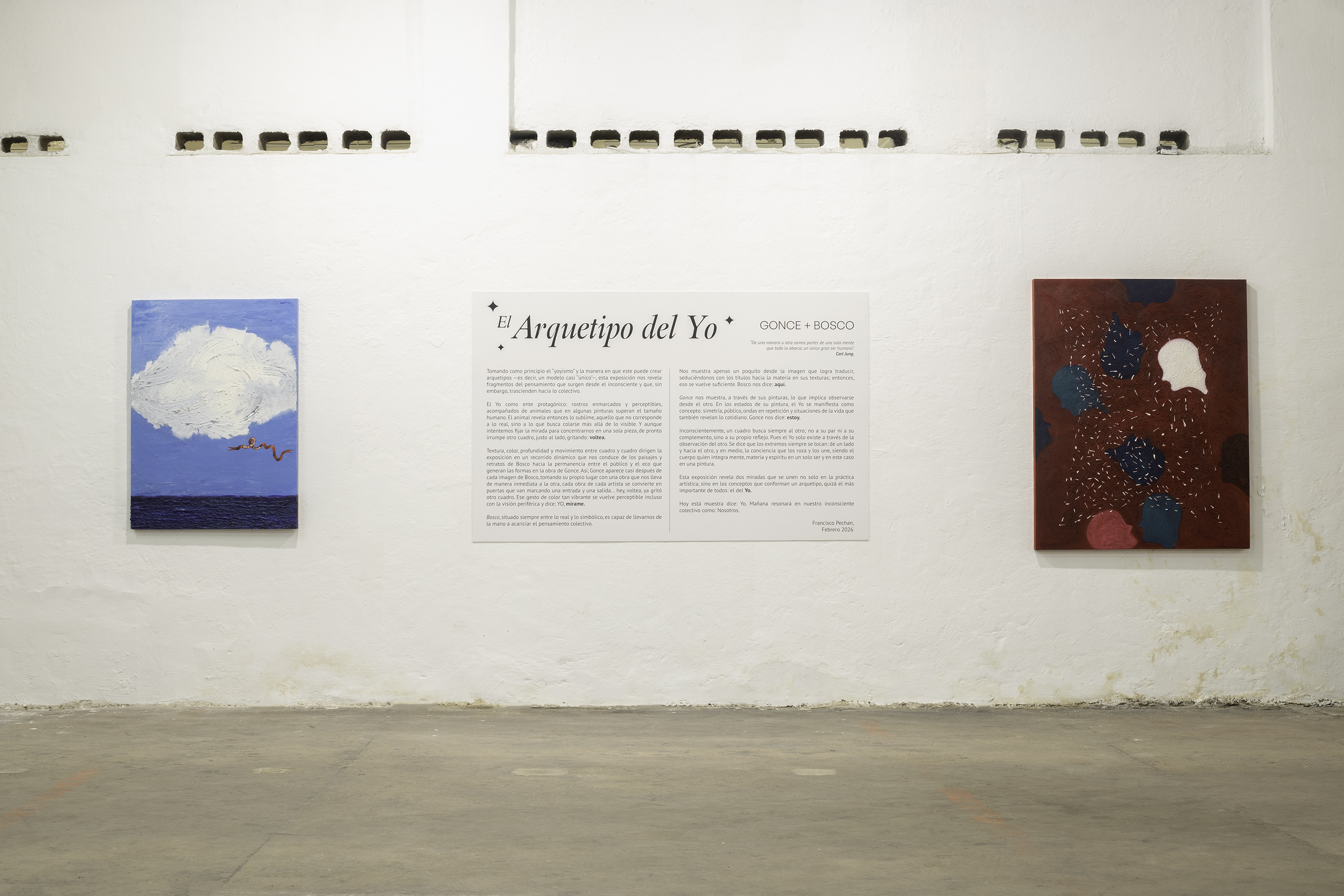
In one way or another, we are all parts of a single, all-encompassing mind, a single, great human being. - Carl Jung
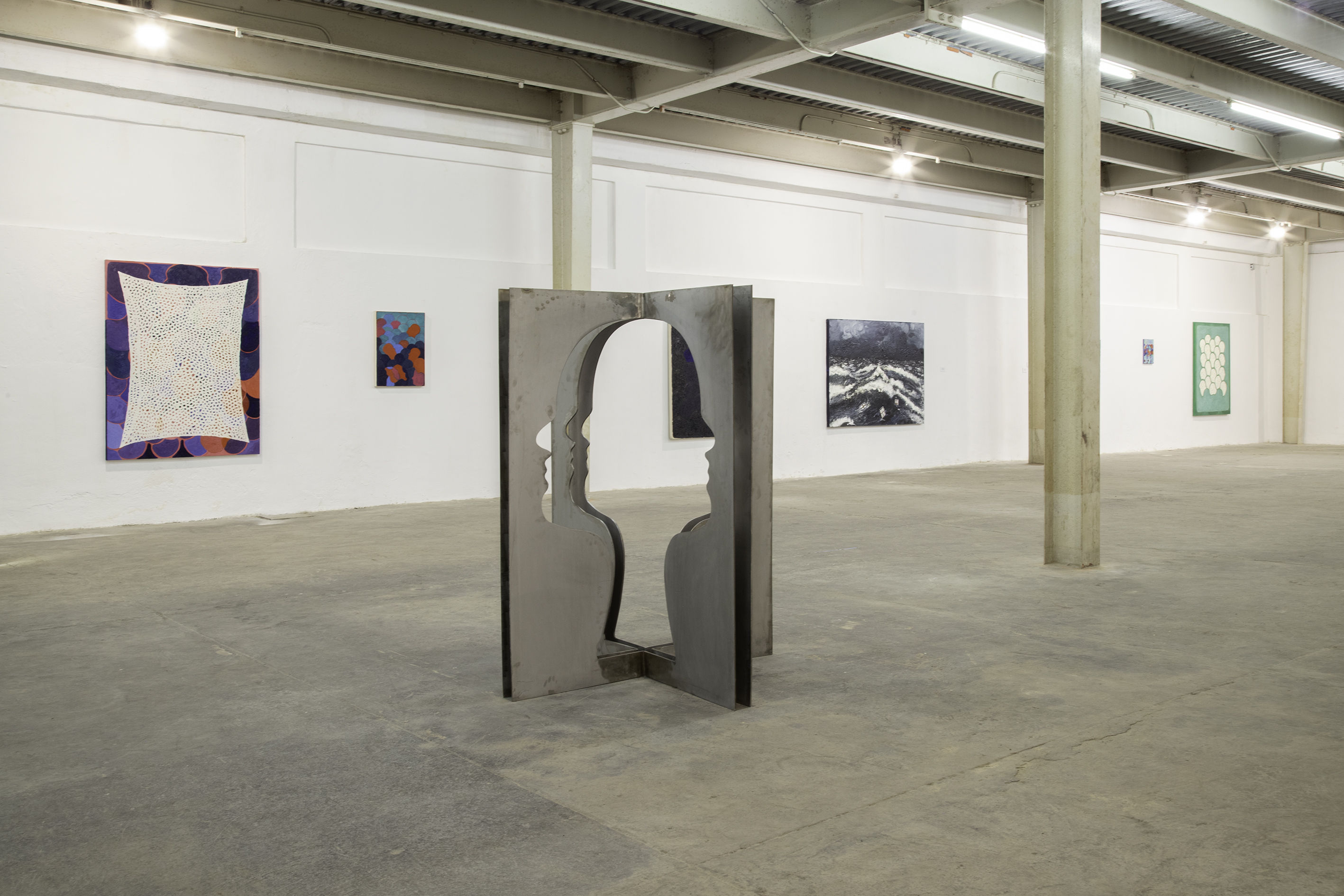
Taking as its starting point the concept of "yoyismo" and the way in which it can create archetypes—that is, an almost "unique" model—this exhibition reveals fragments of thought that arise from the unconscious and yet transcend into the collective.
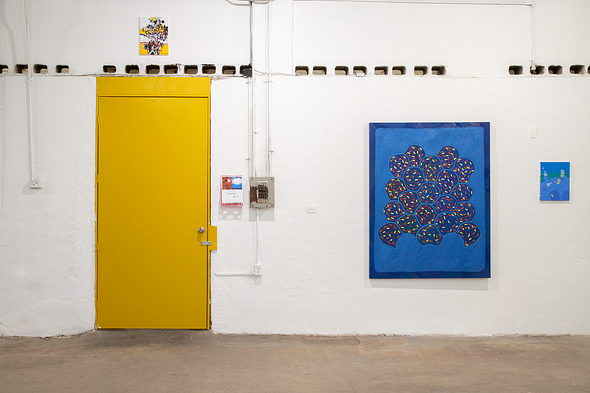
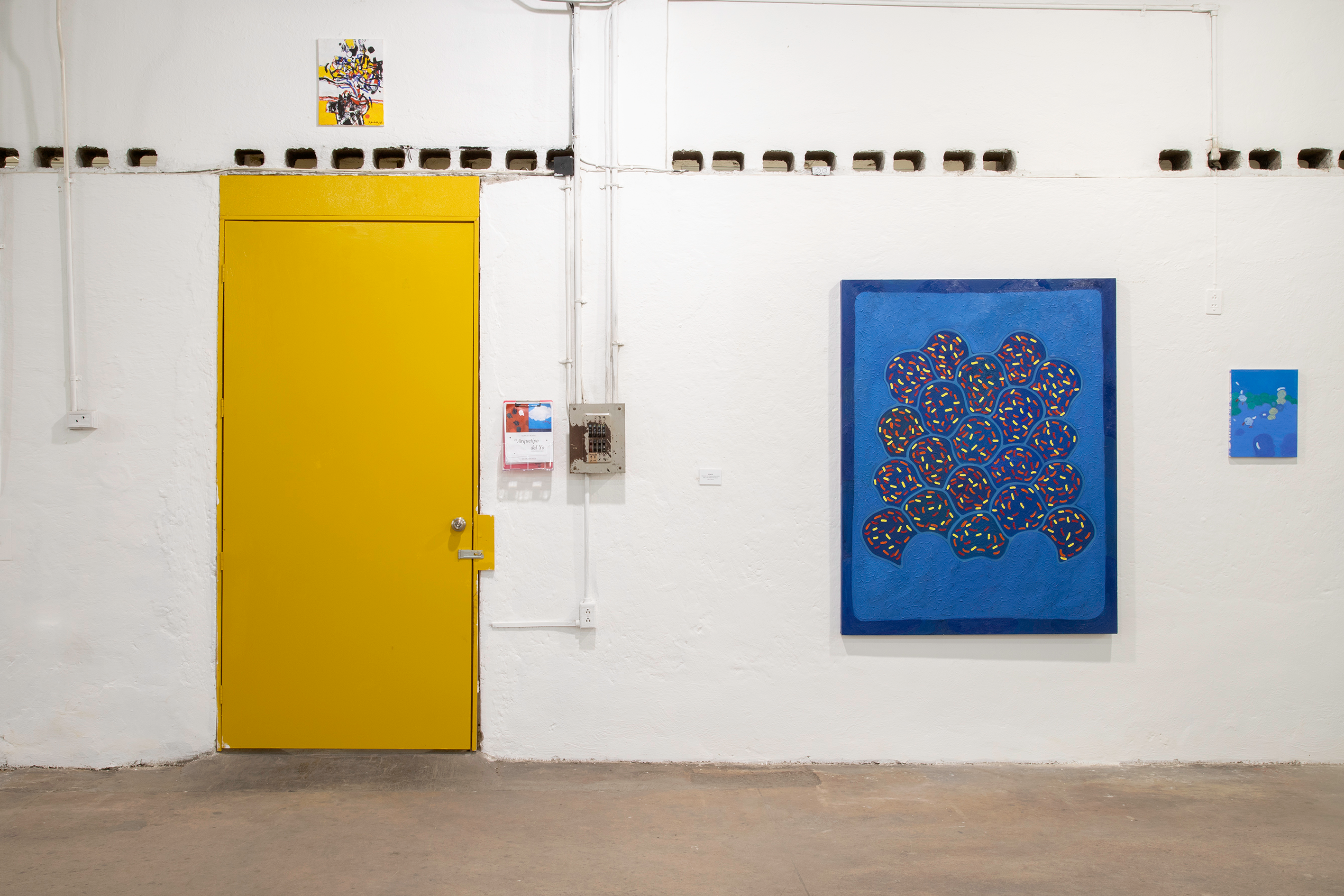
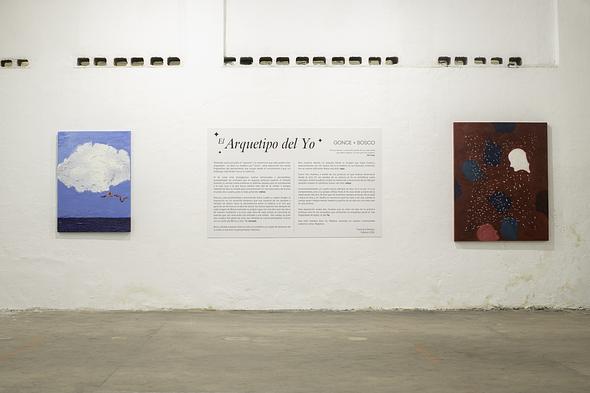
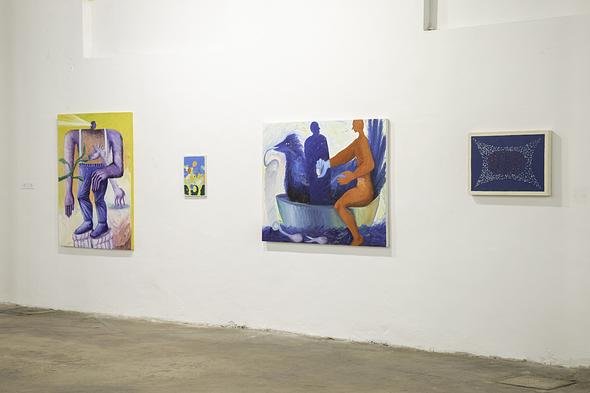
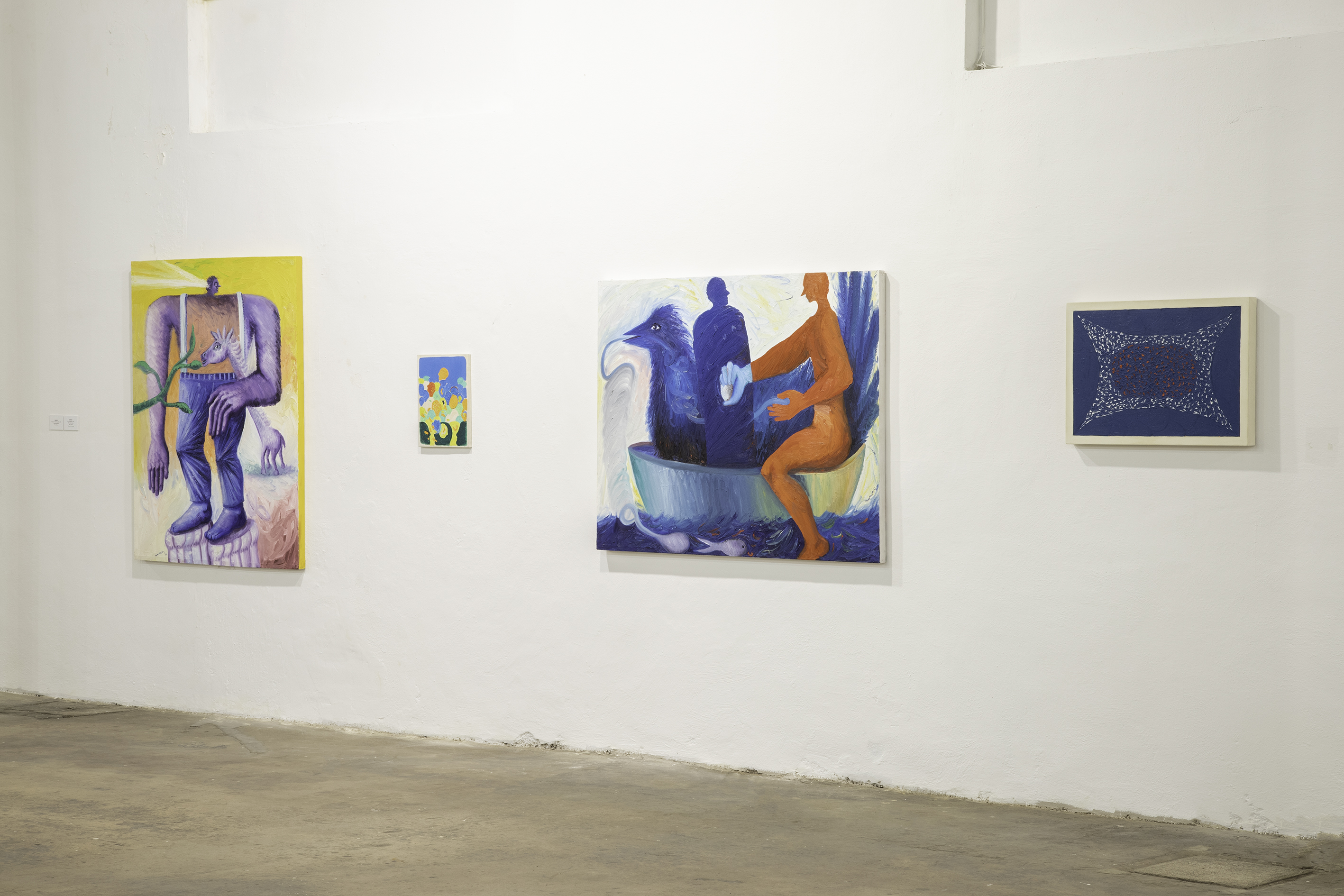
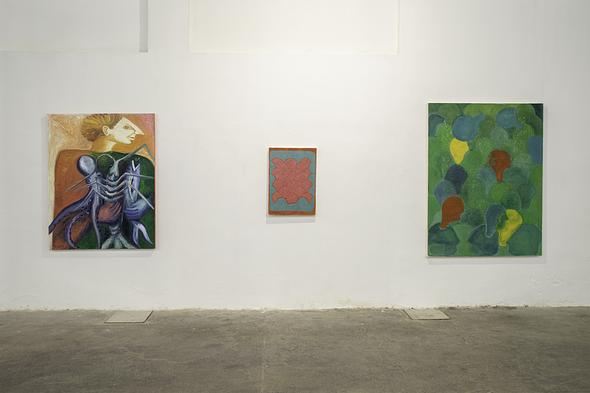
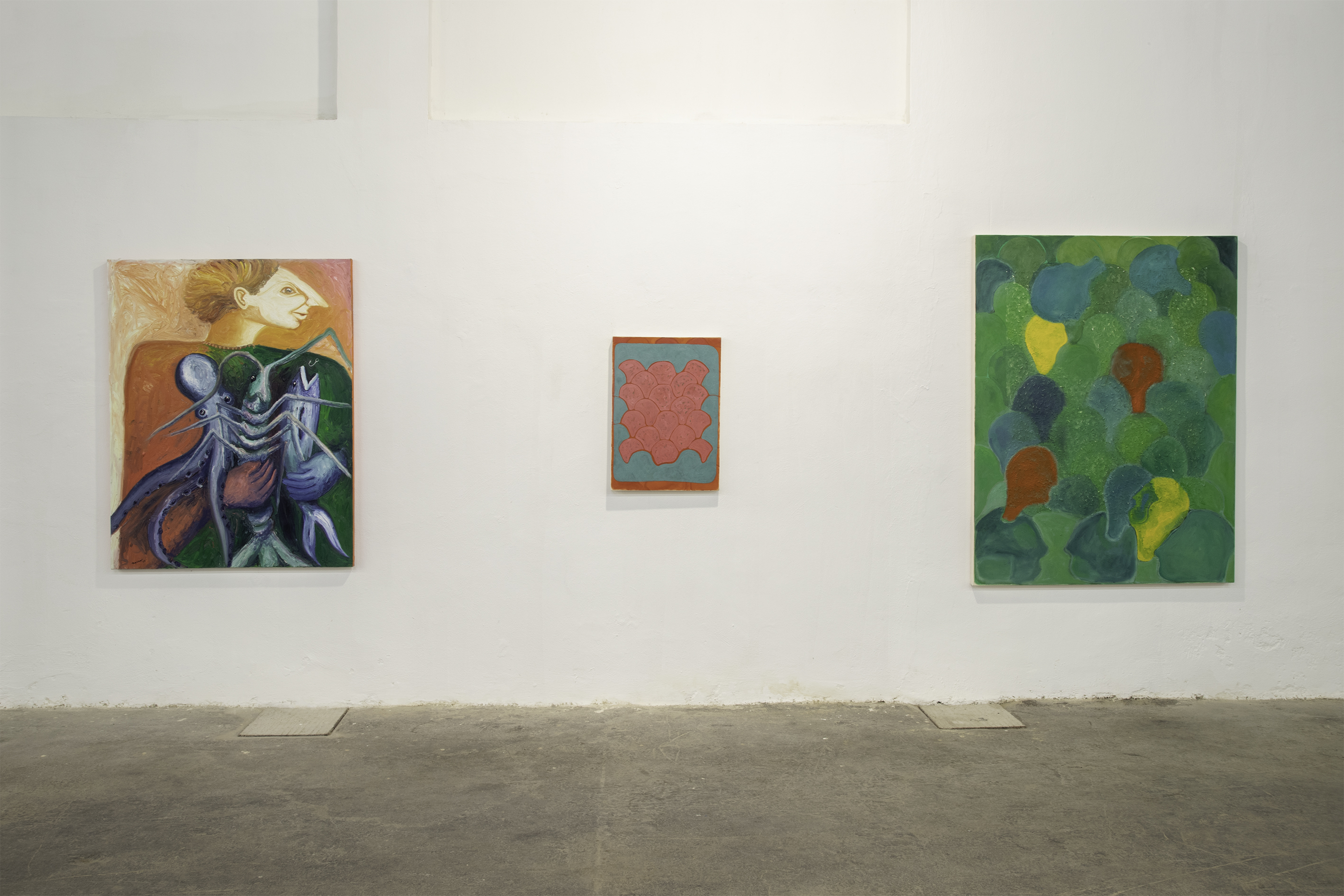
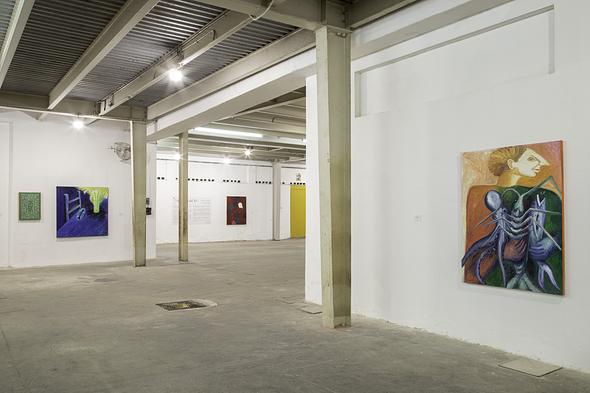
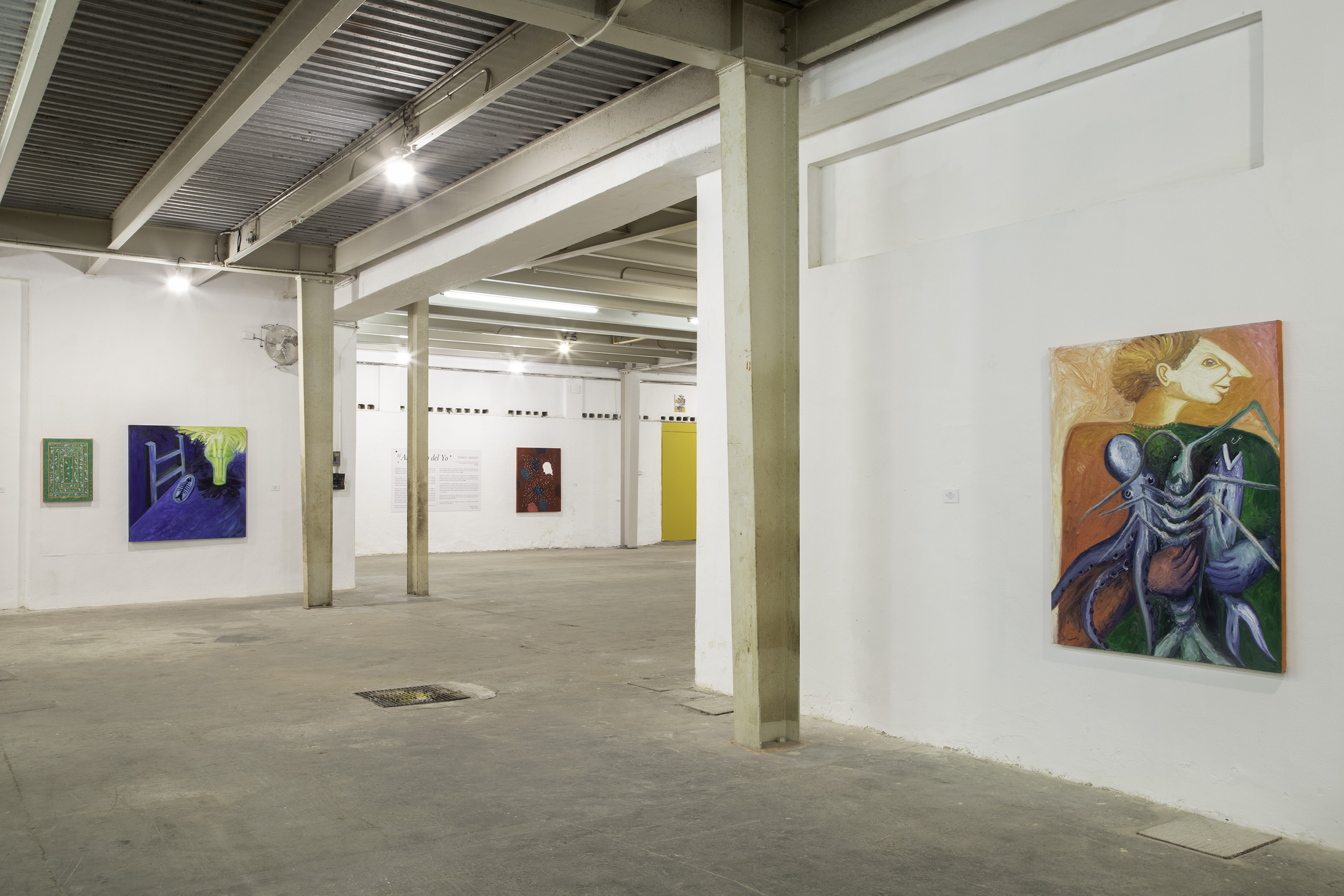
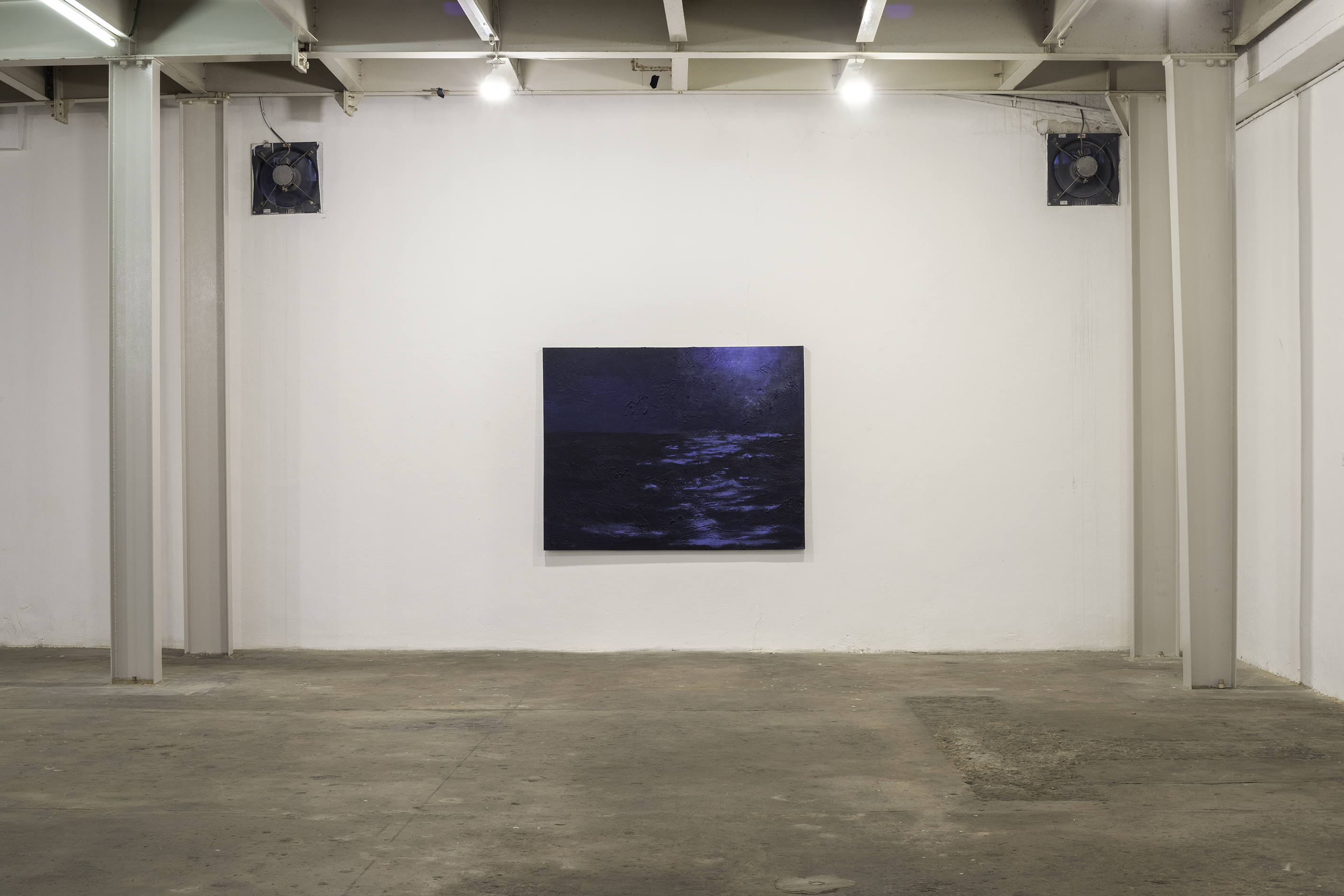
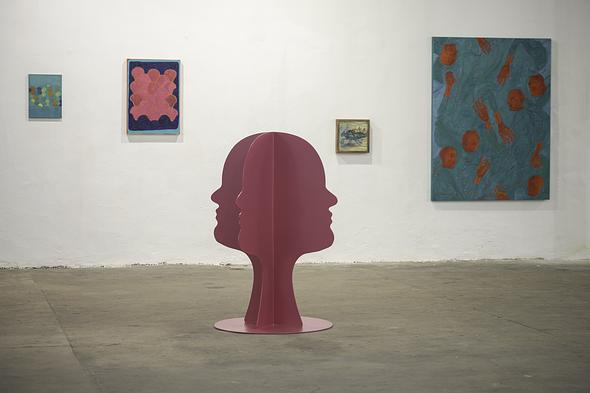
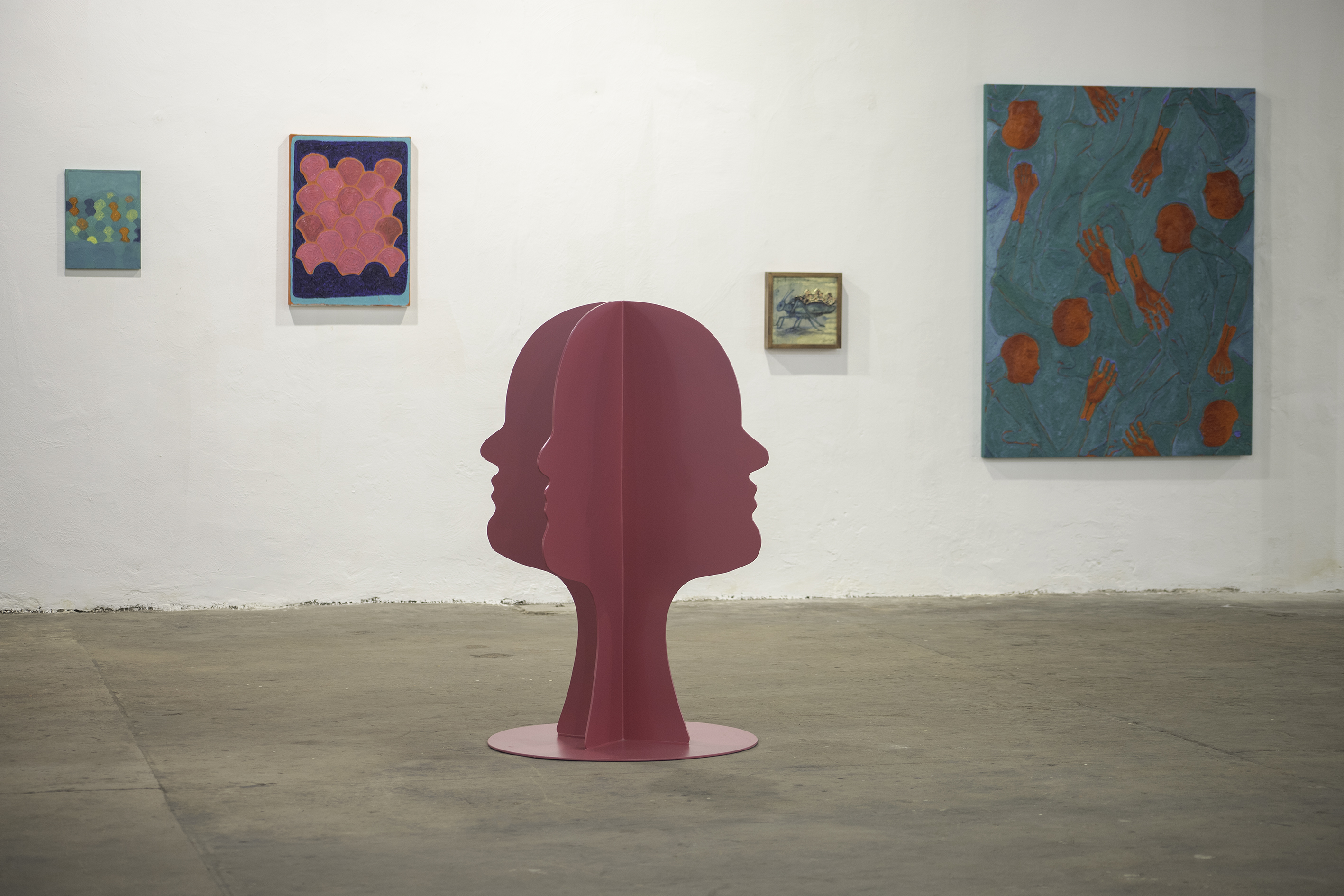
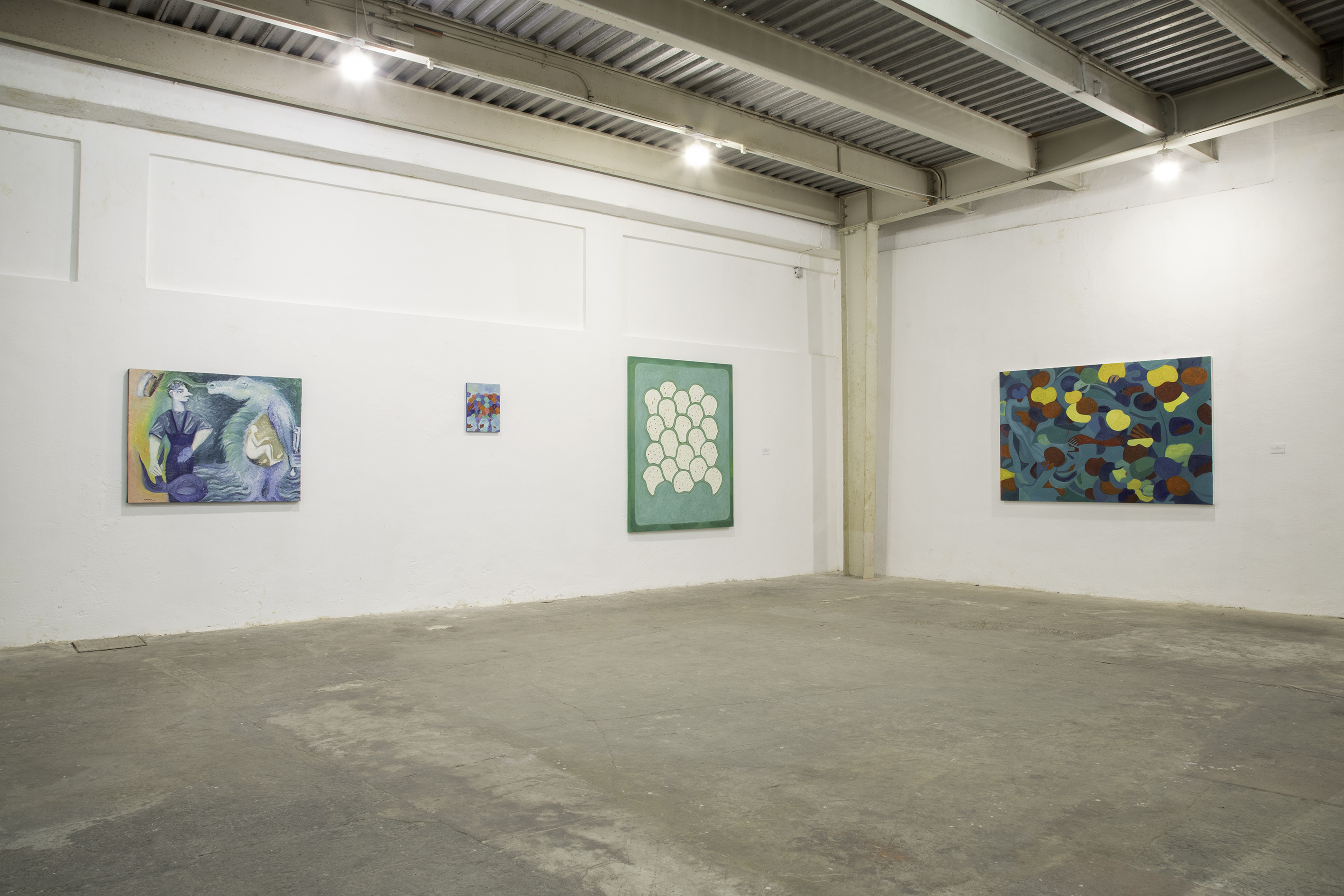
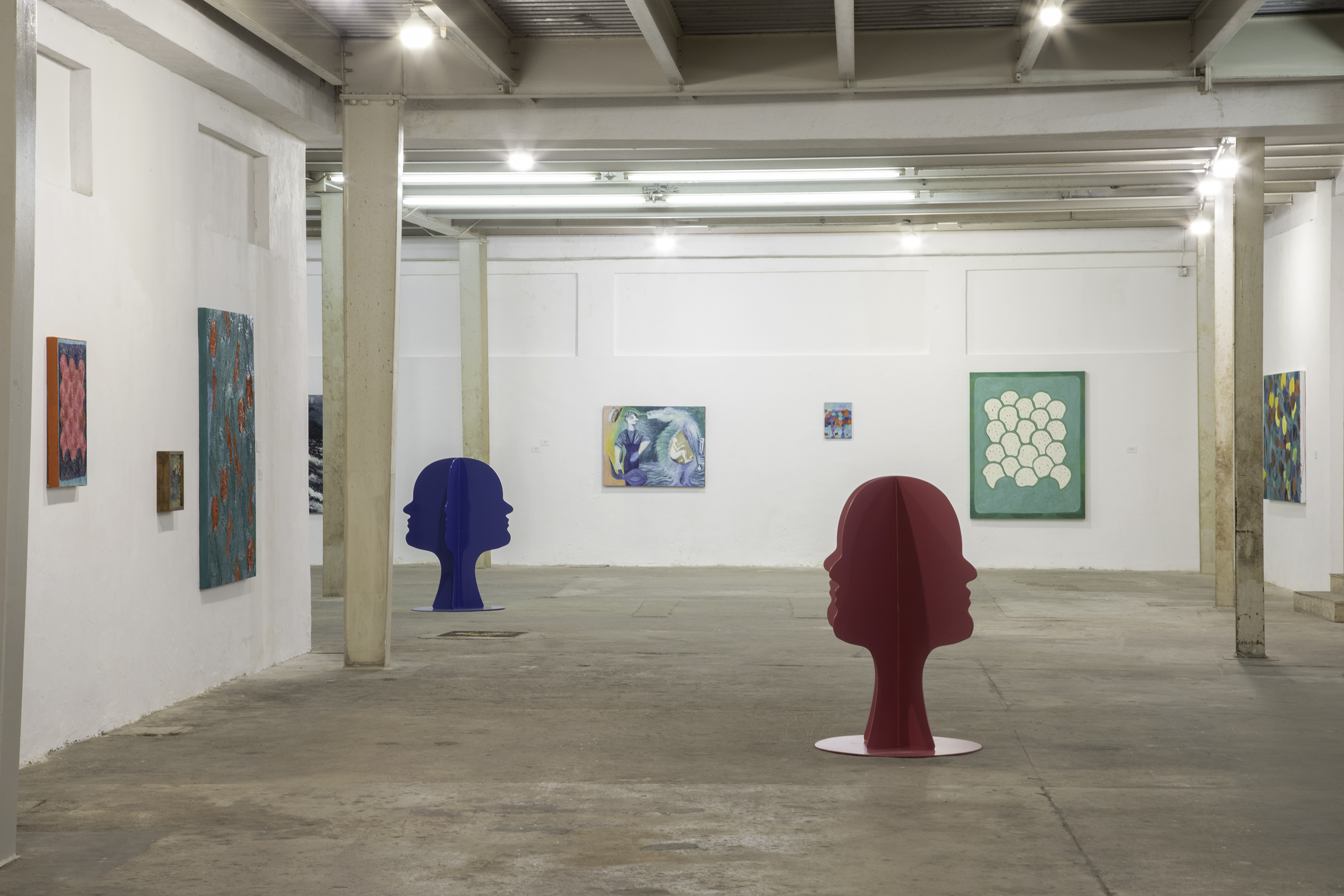
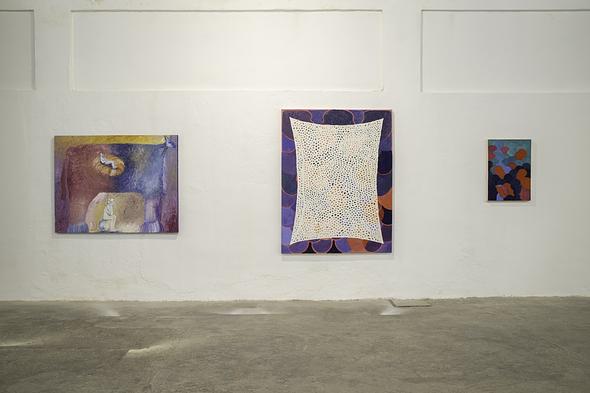
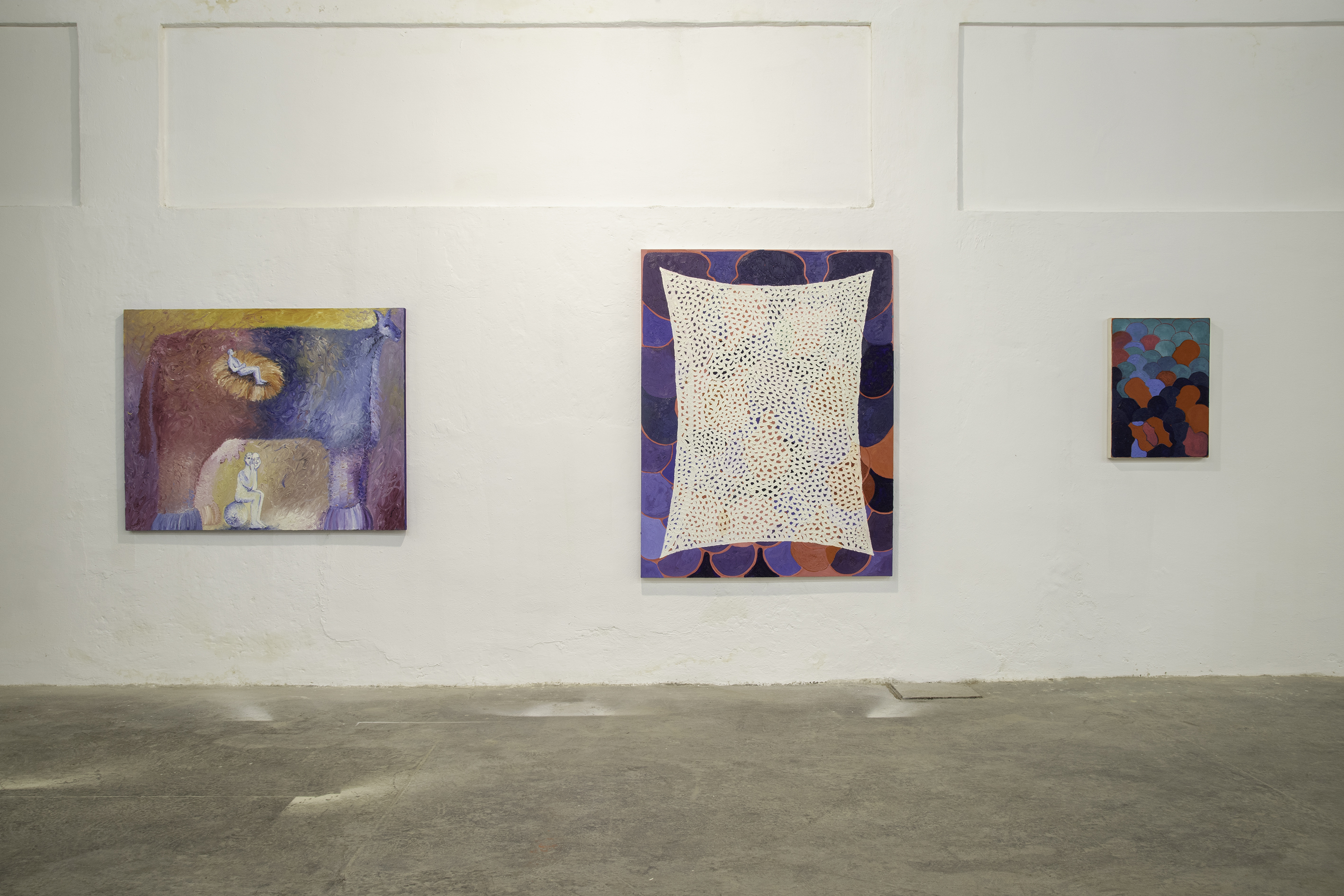
The Self as the protagonist: framed and perceptible faces, accompanied by animals that in some paintings exceed human size. The animal then reveals the sublime, that which does not correspond to reality, but rather to what seeks to slip beyond the visible. And even if we try to focus our gaze on a single piece, another painting suddenly bursts in, right next to it, shouting: turn around.
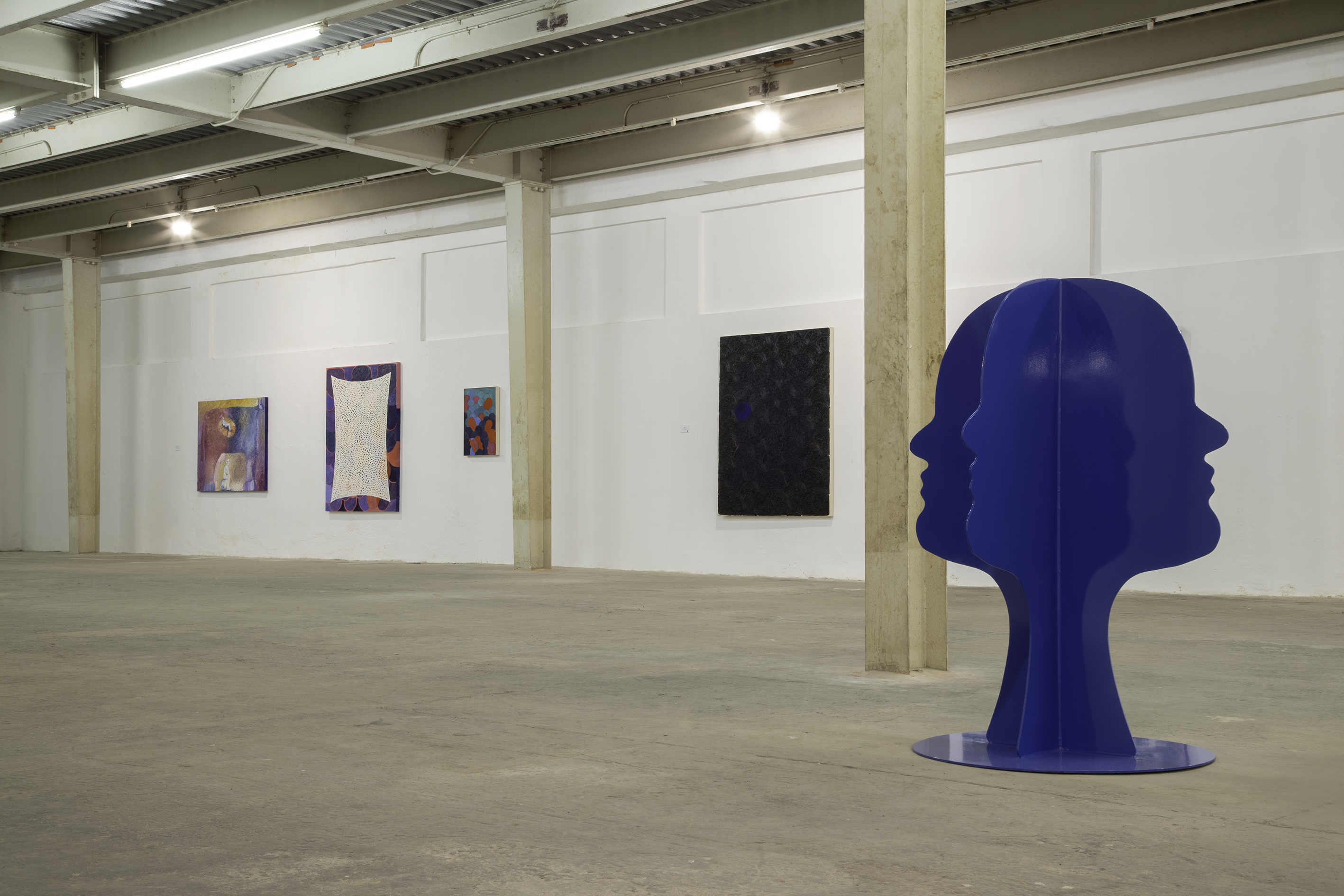
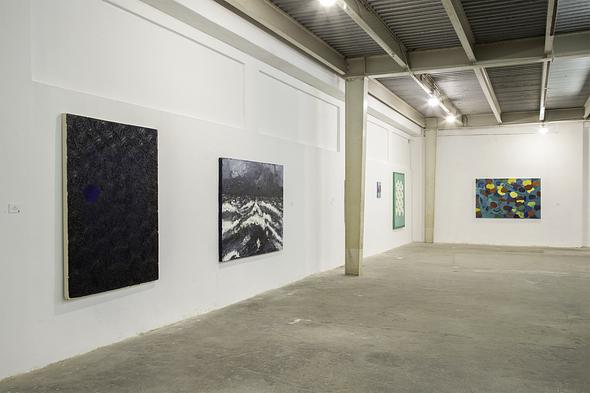
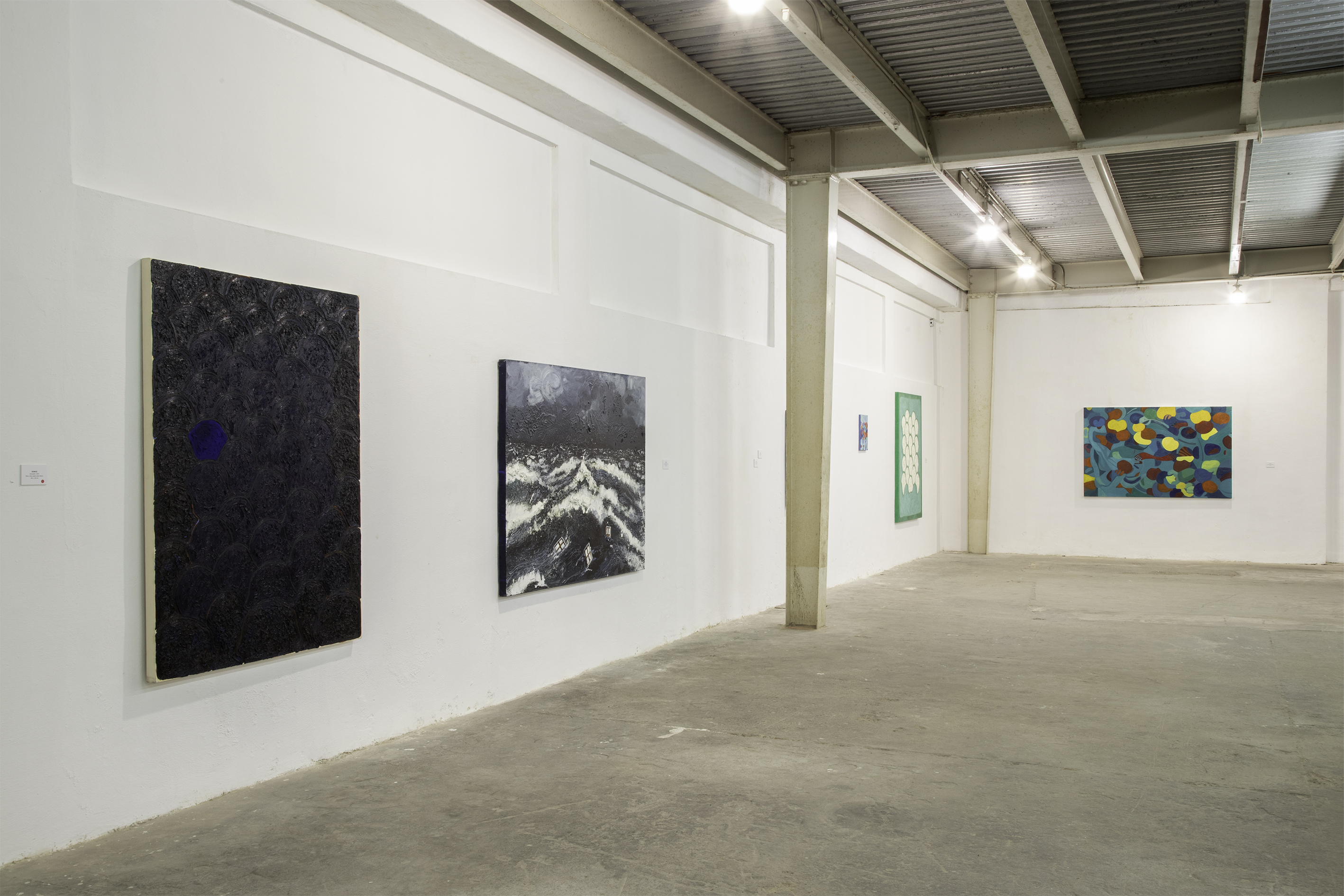
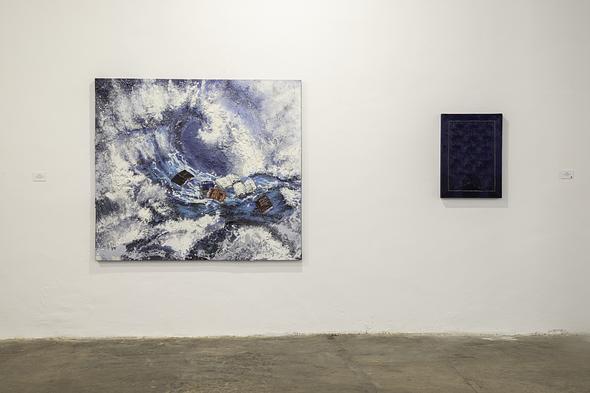
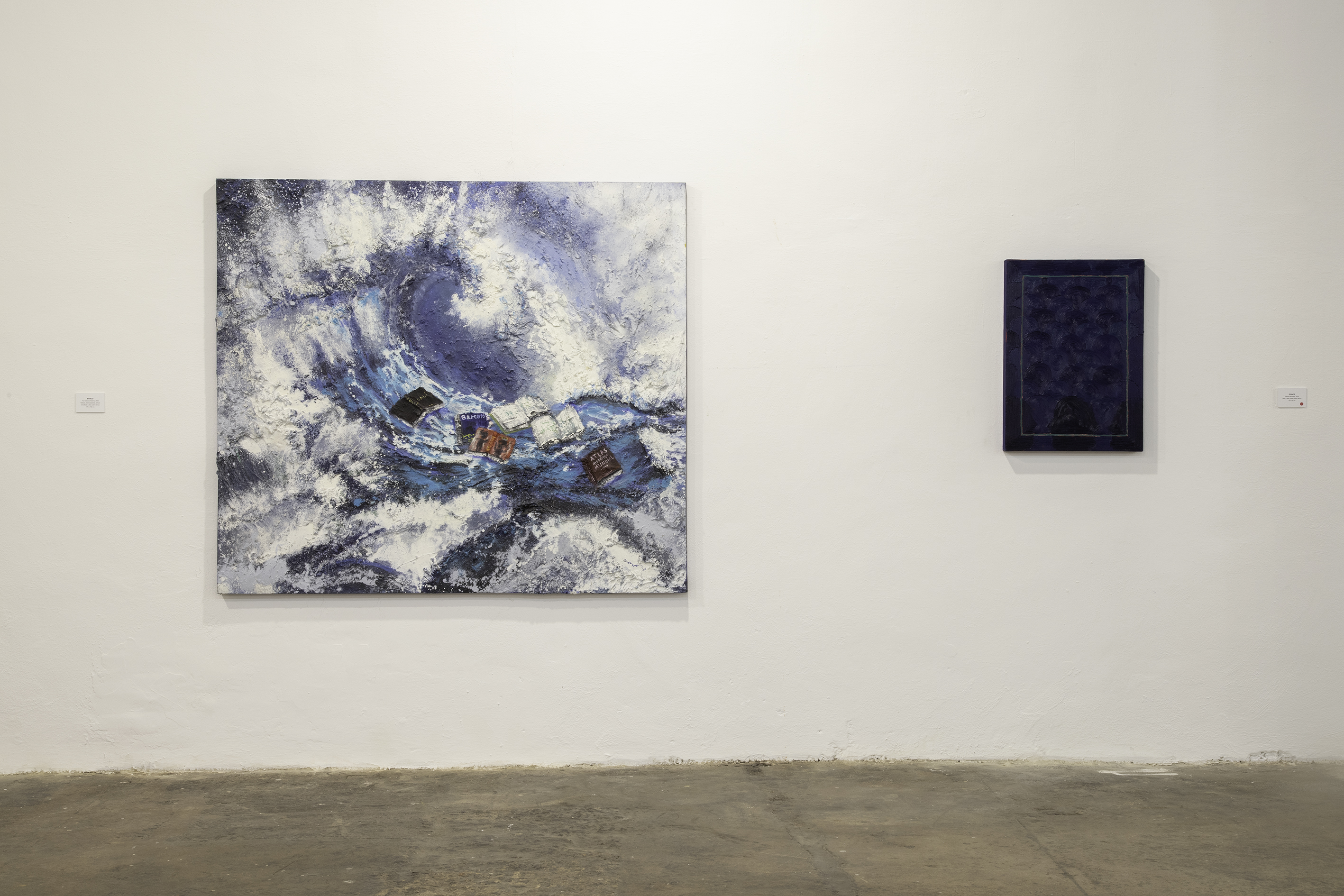
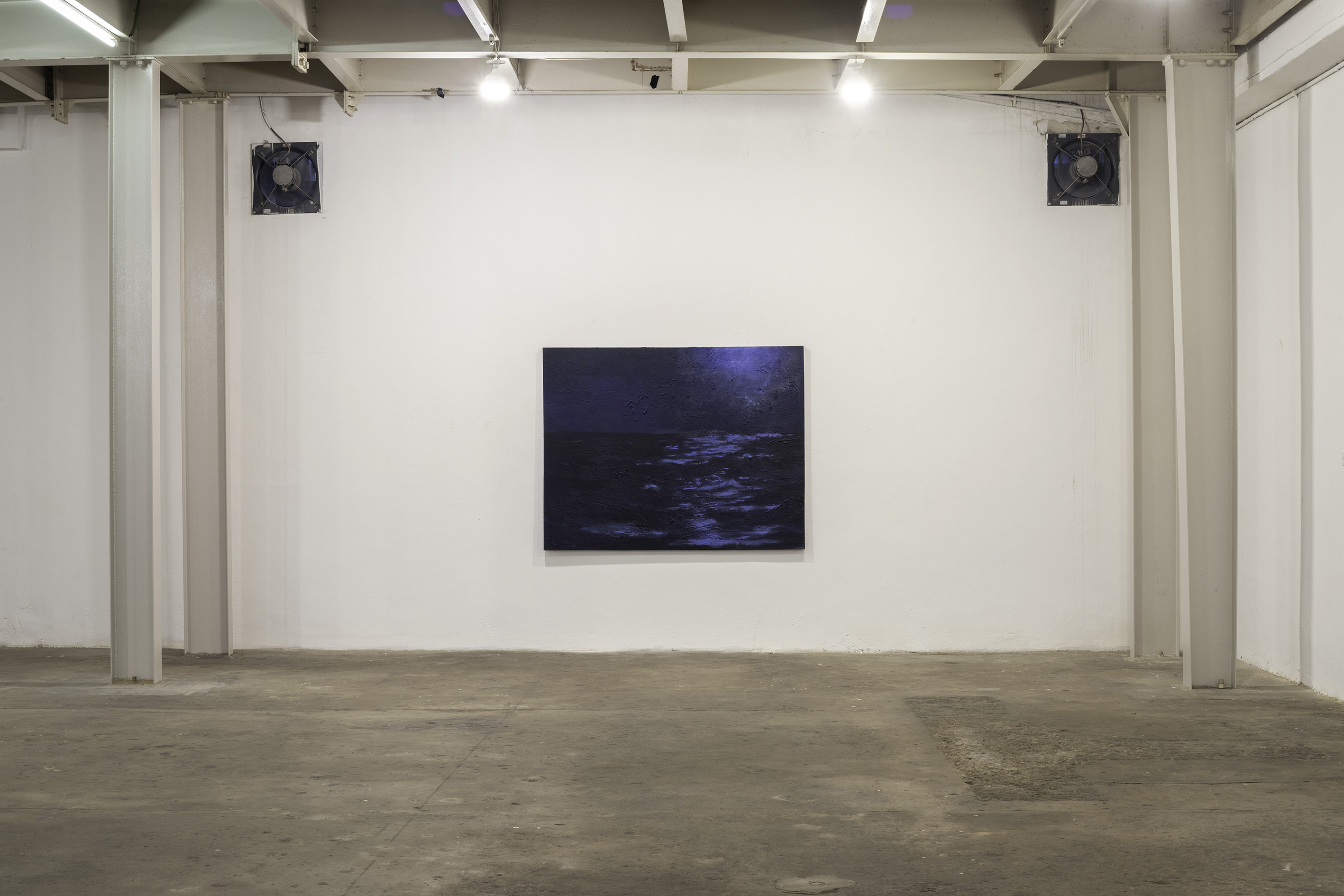
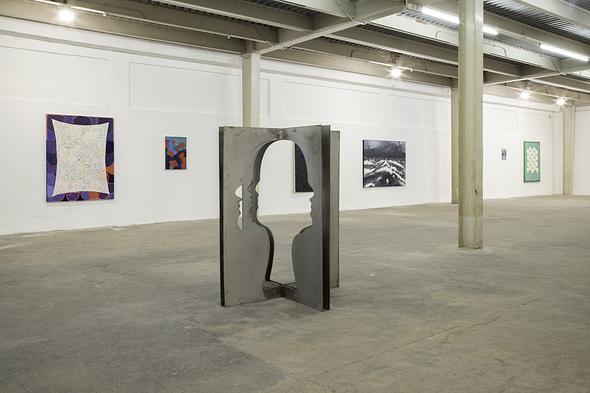
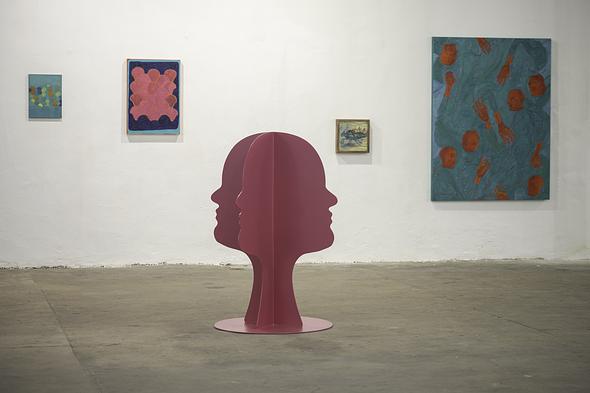
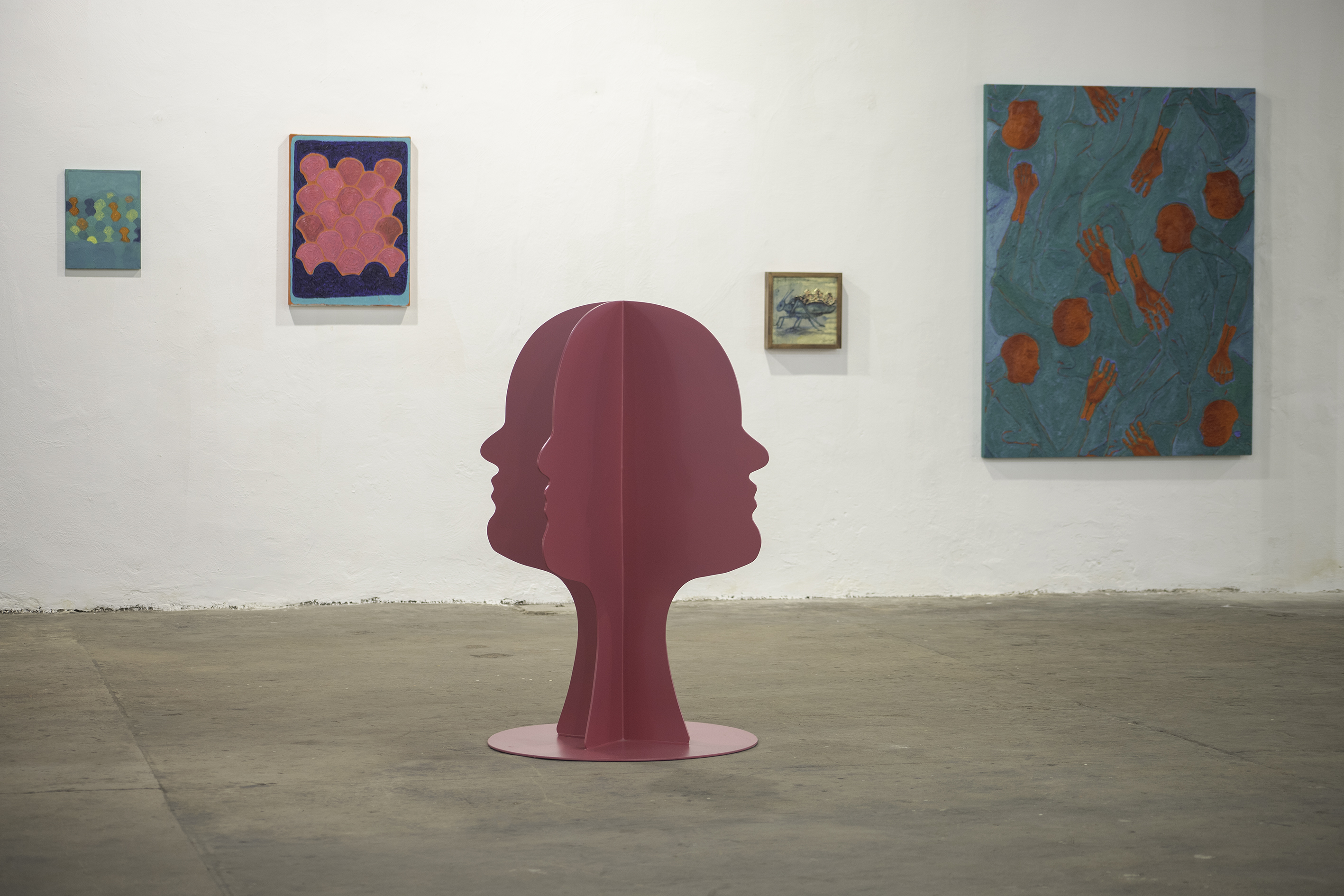
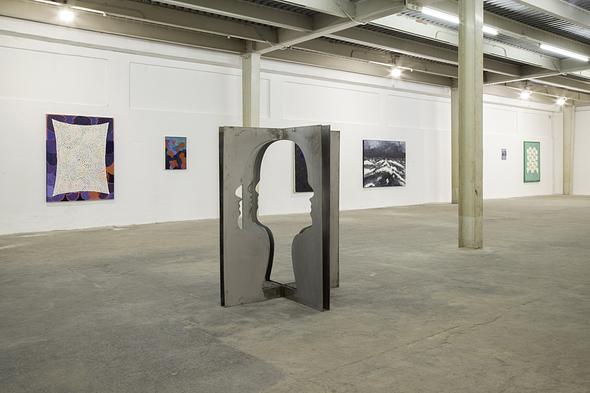
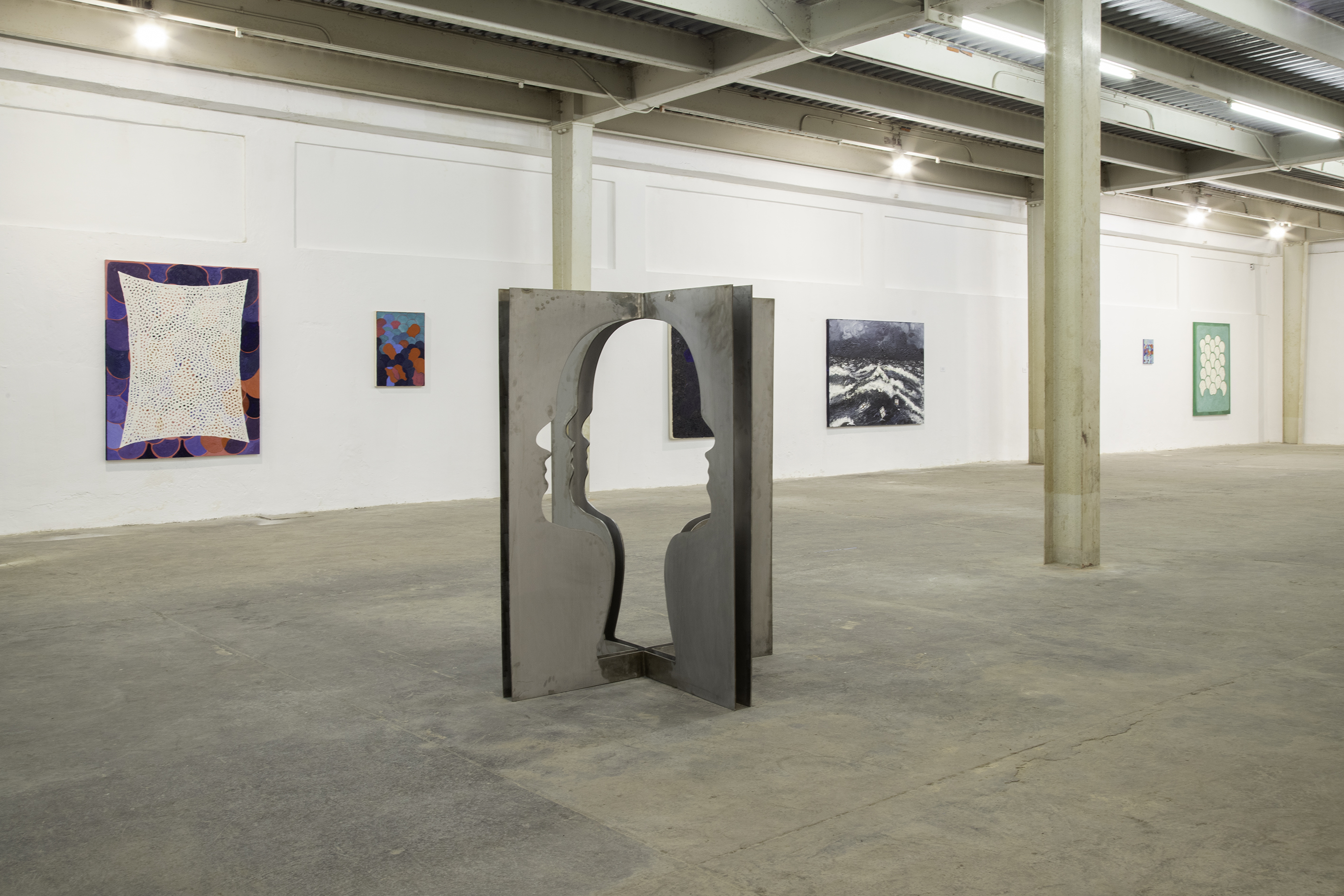
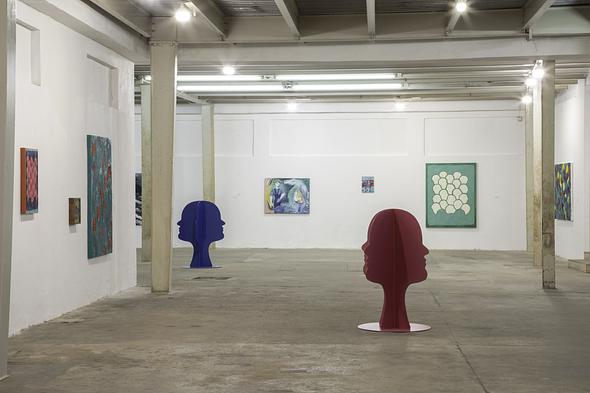
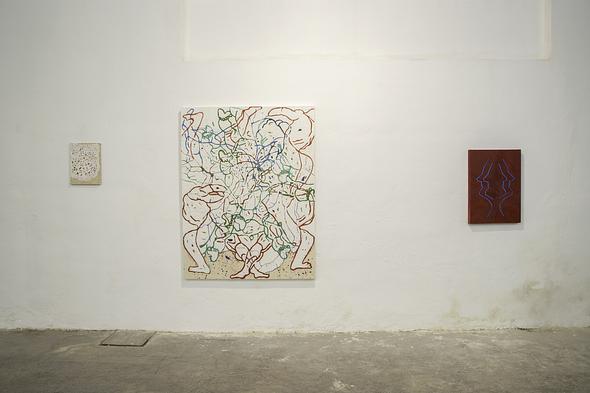
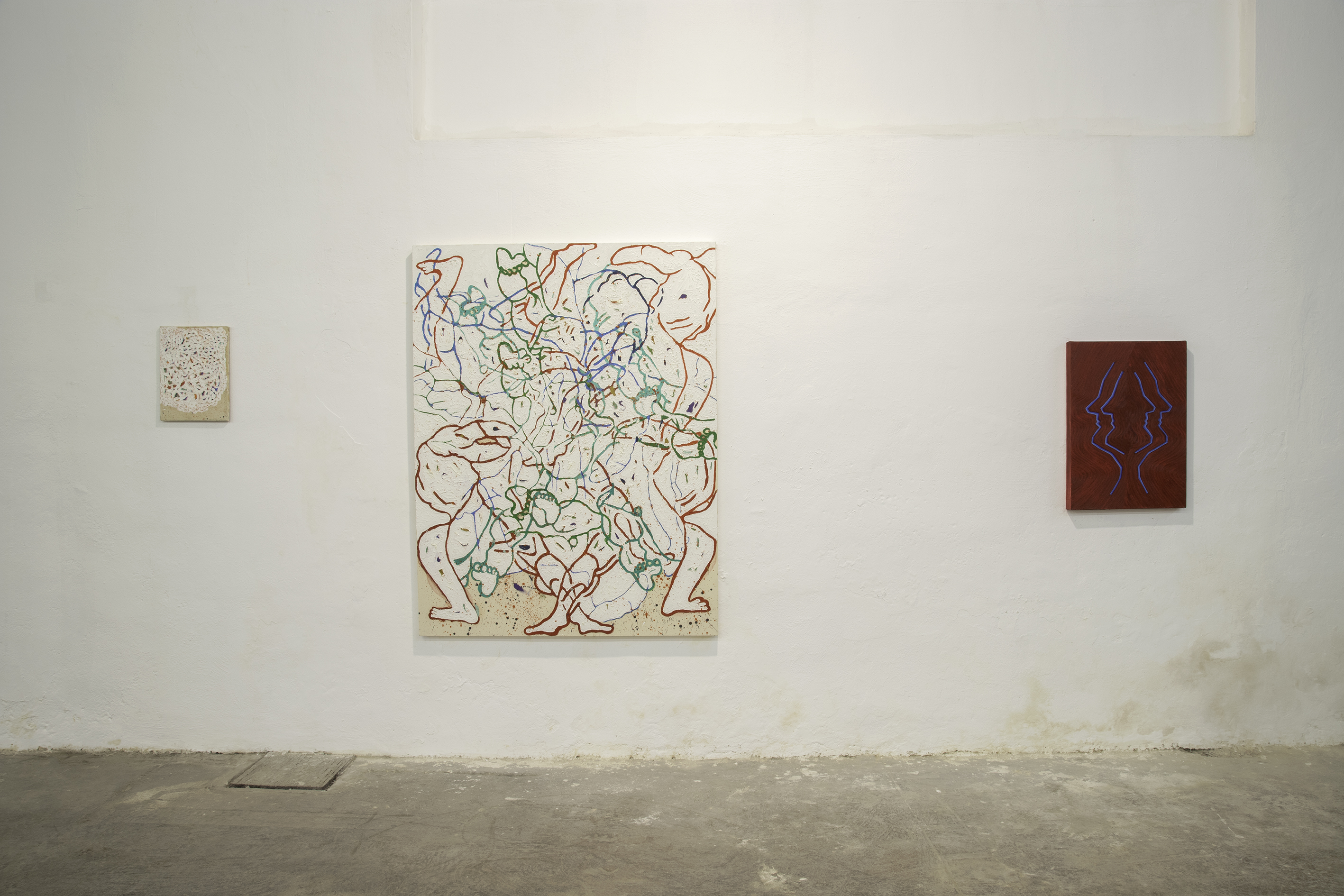
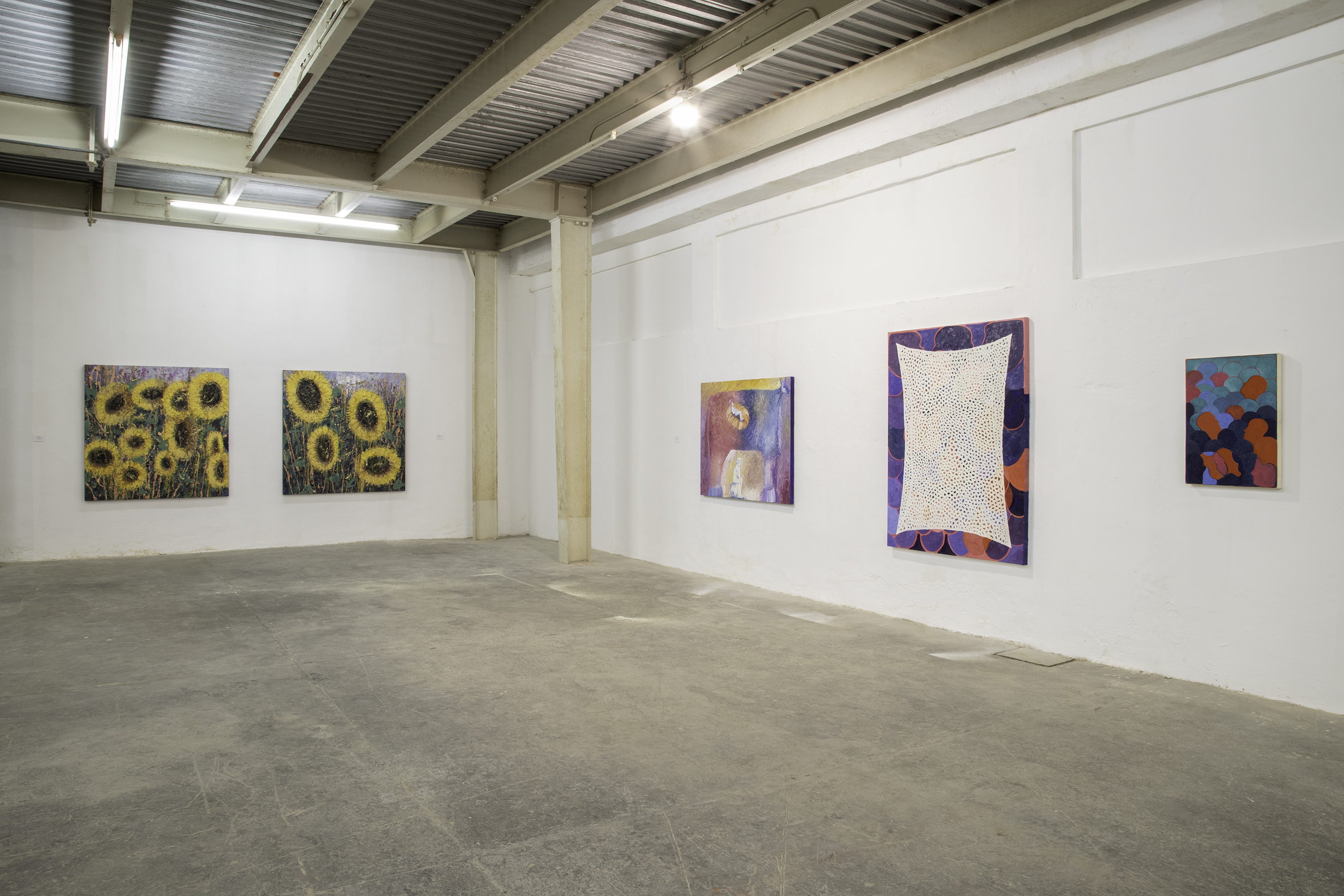
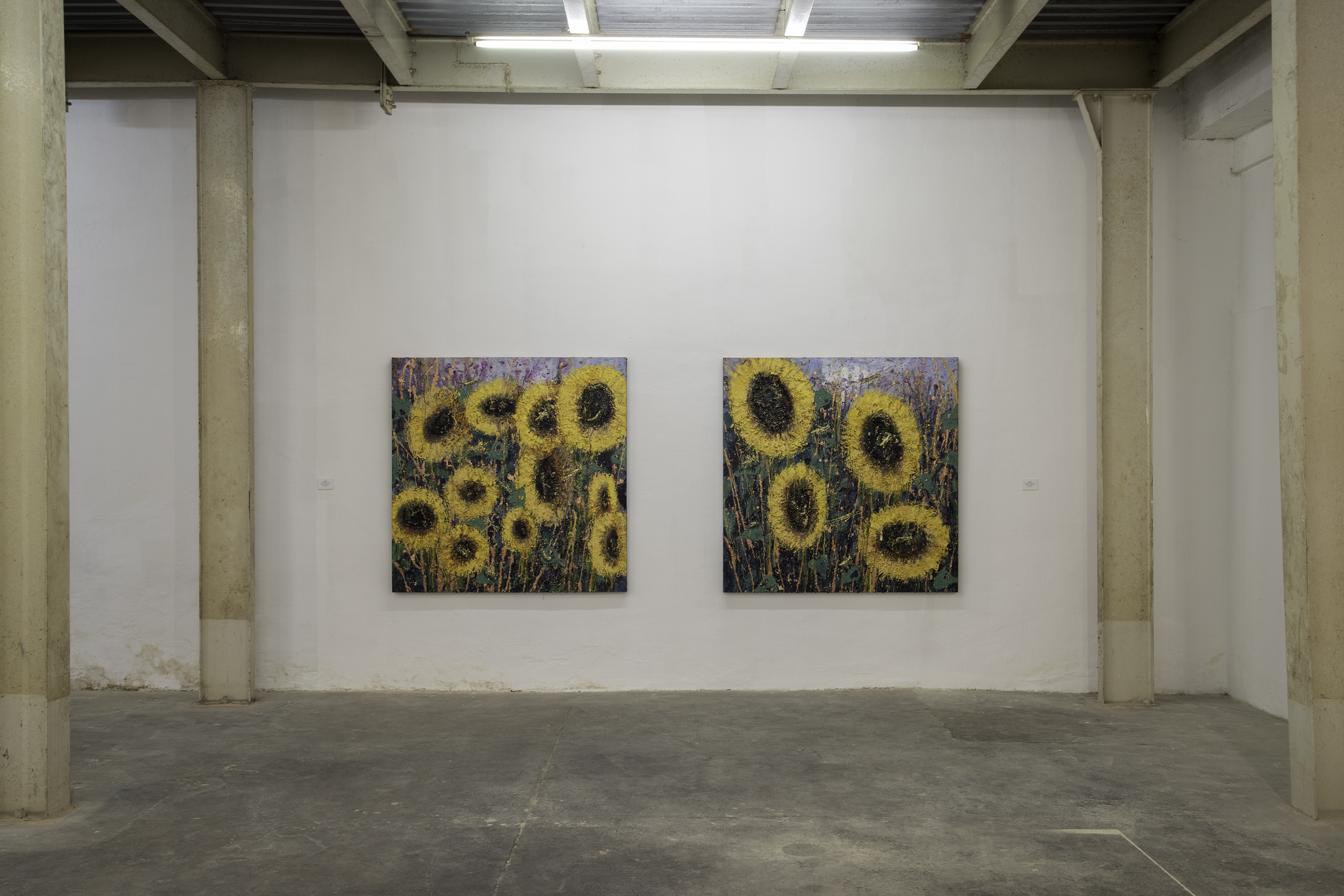
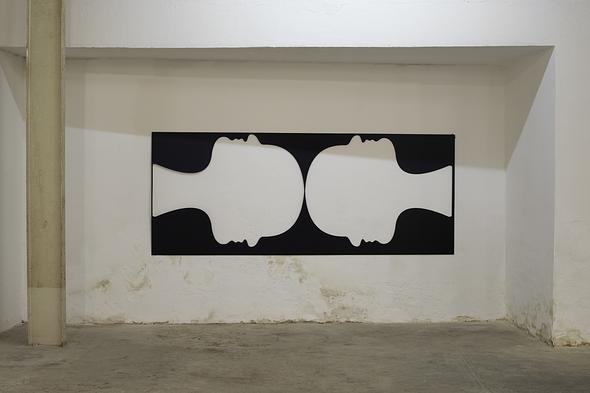
Texture, color, depth, and movement between paintings guide the exhibition in a dynamic journey that leads us from Bosco's landscapes and portraits toward the enduring presence of the viewer and the echo generated by the forms in Gonce's work. Thus, Gonce appears almost after each of Bosco's images, taking his own place with a work that immediately leads us to the next. Each artist's work becomes a doorway marking an entrance and an exit... hey, turn around, another painting has just called out. That vibrant gesture of color becomes perceptible even with peripheral vision and says: ME, look at me.
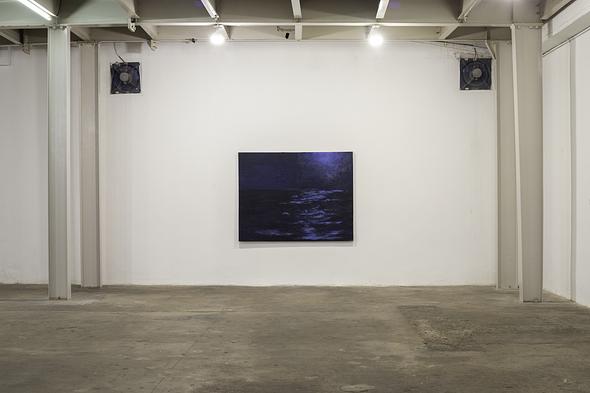
Bosco, always situated between the real and the symbolic, is able to lead us by the hand to caress the collective thought. He shows us just a little bit through the image he manages to translate, seducing us with the titles toward the matter in its textures; then, that becomes enough. Bosco tells us: here.
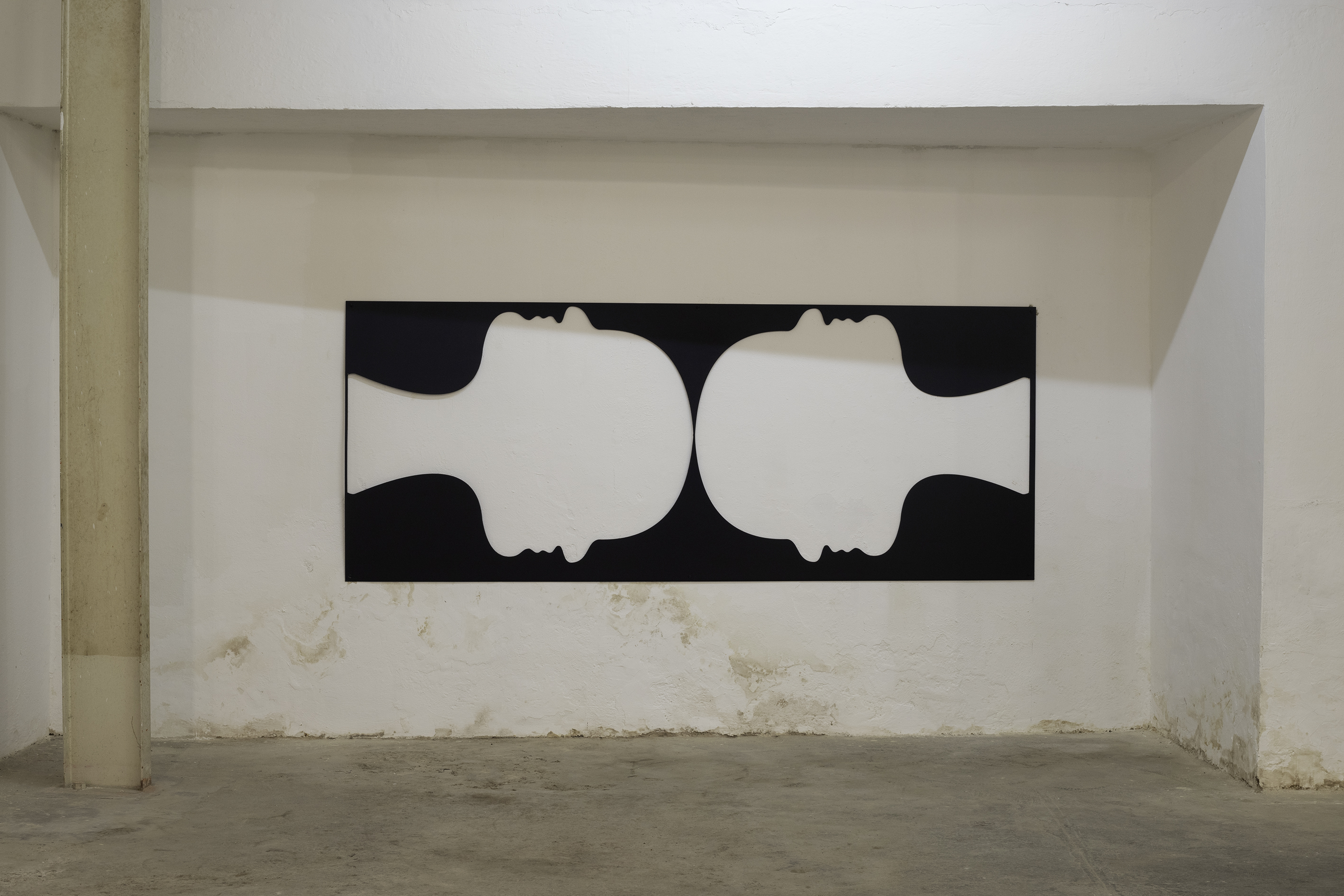
Through his paintings, Gonce shows us what it means to observe oneself from the perspective of another. In the states of his painting, the Self manifests as a concept: symmetry, audience, repeating waves, and life situations that also reveal the everyday. Gonce tells us: I am.
Unconsciously, a painting always seeks the other; not its counterpart or complement, but its own reflection. For the Self only exists through the observation of the other. It is said that extremes always meet: from one side to the other, and in between, the consciousness that touches and unites them, with the body integrating mind, matter, and spirit into a single being, and in this case, into a painting.
This exhibition reveals two perspectives that converge not only in artistic practice but also in the concepts that form an archetype, perhaps the most important of all: that of the Self.
Today this exhibition says: I. Tomorrow it will resonate in our collective unconscious as: Us.