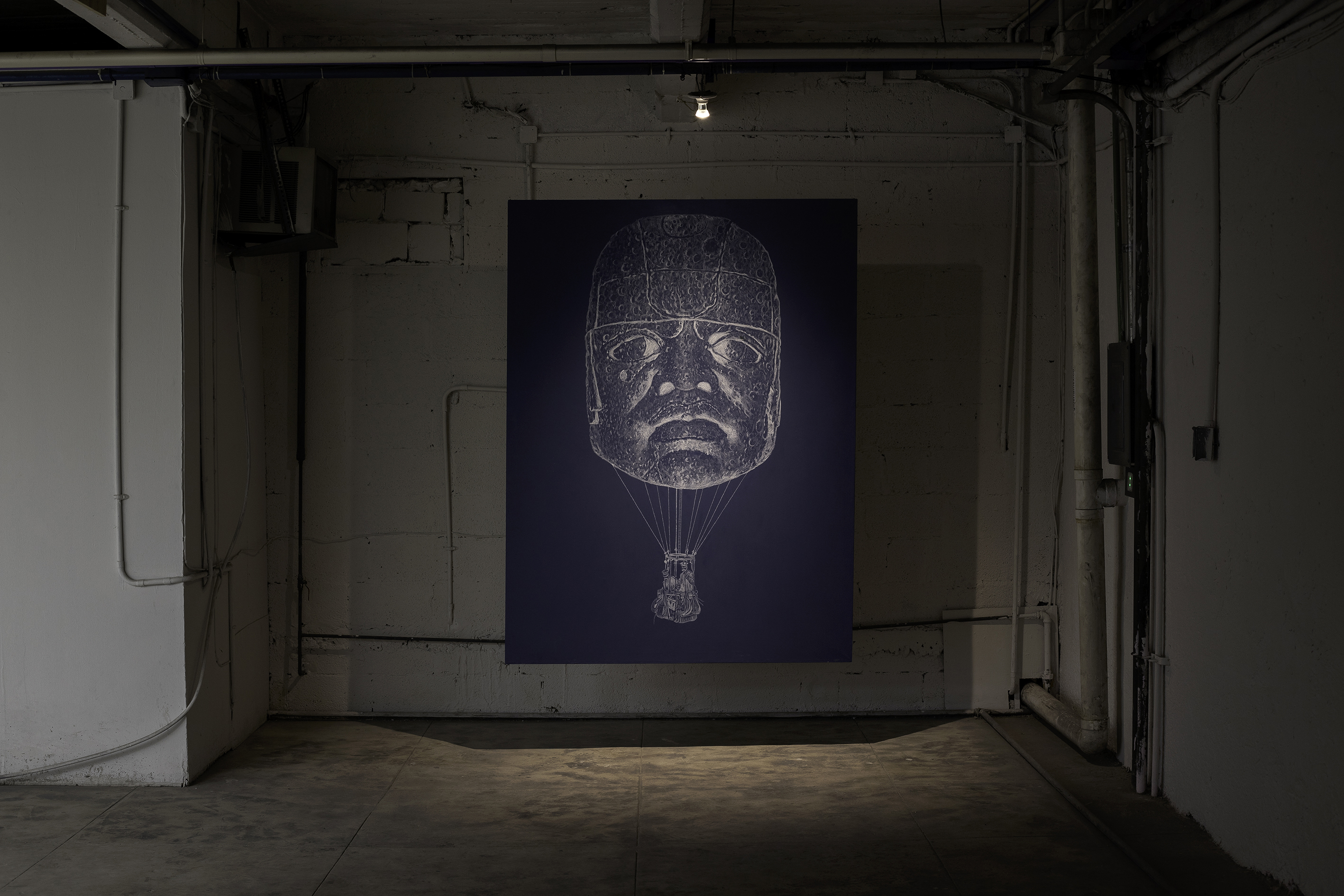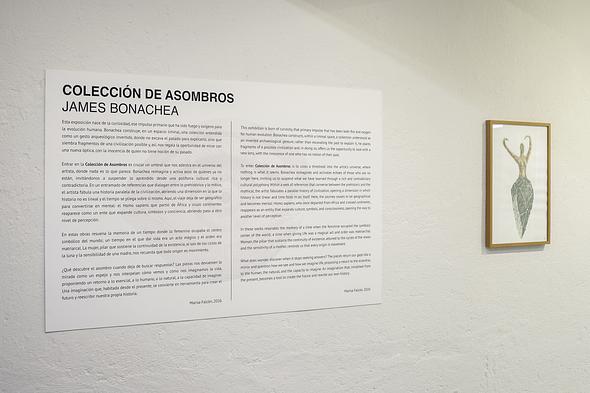
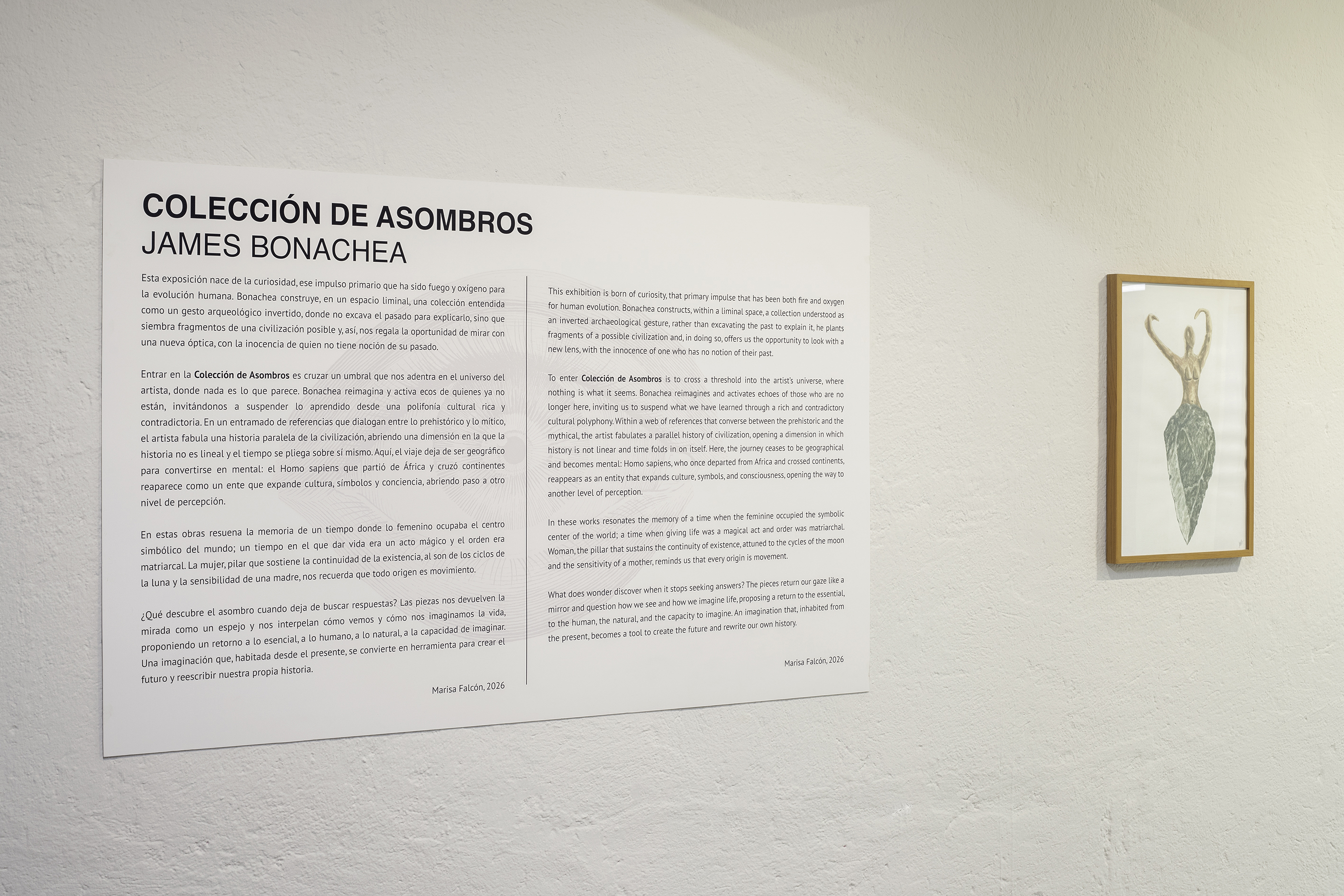
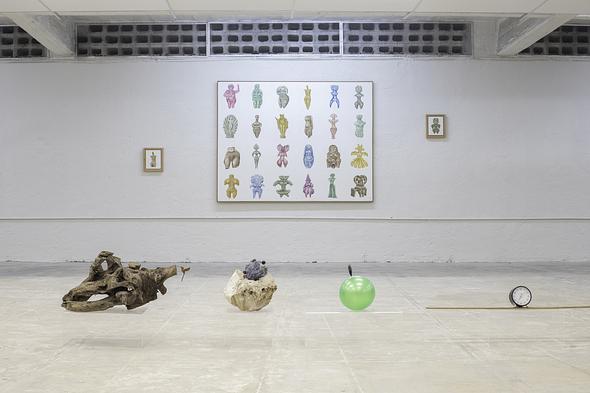
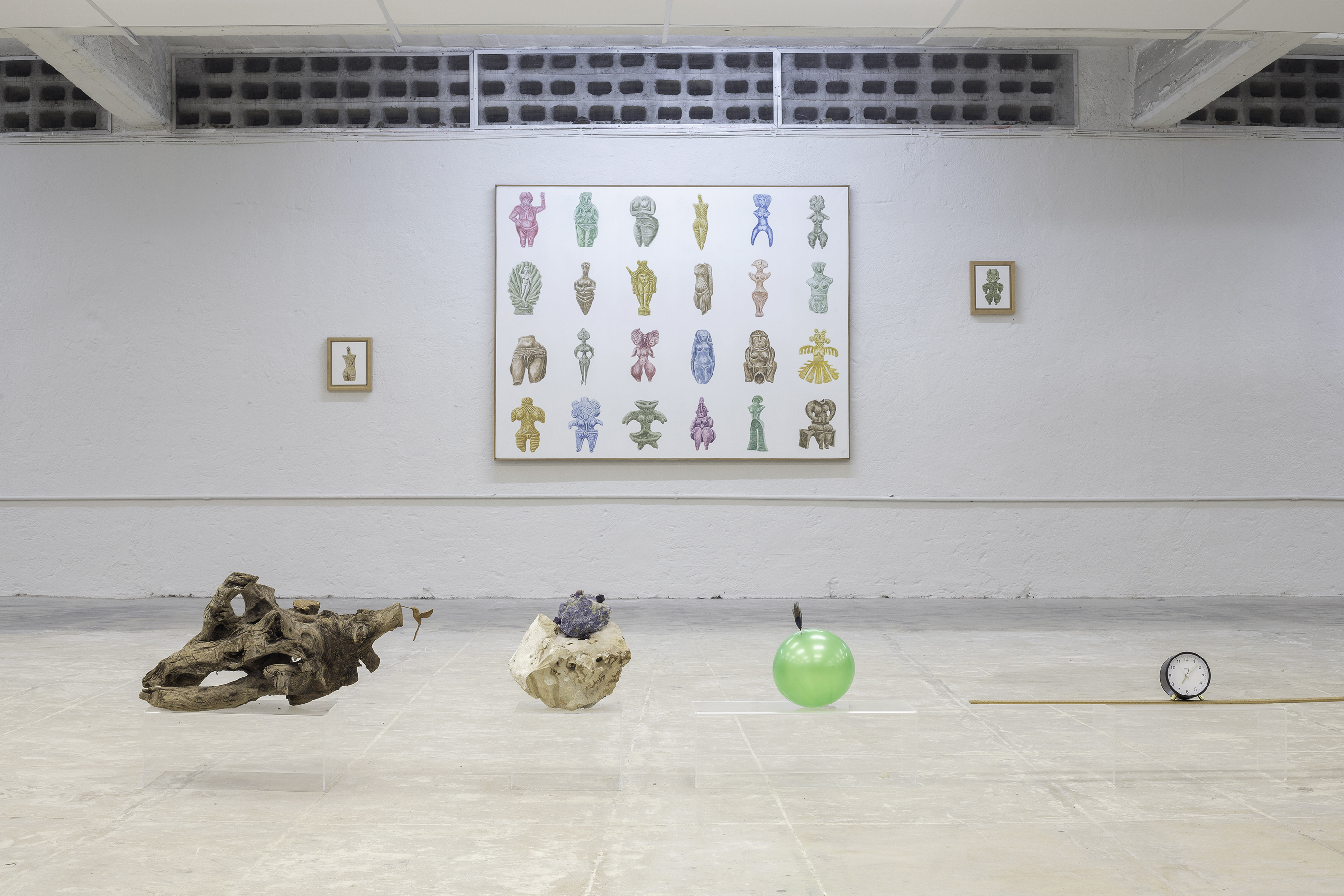
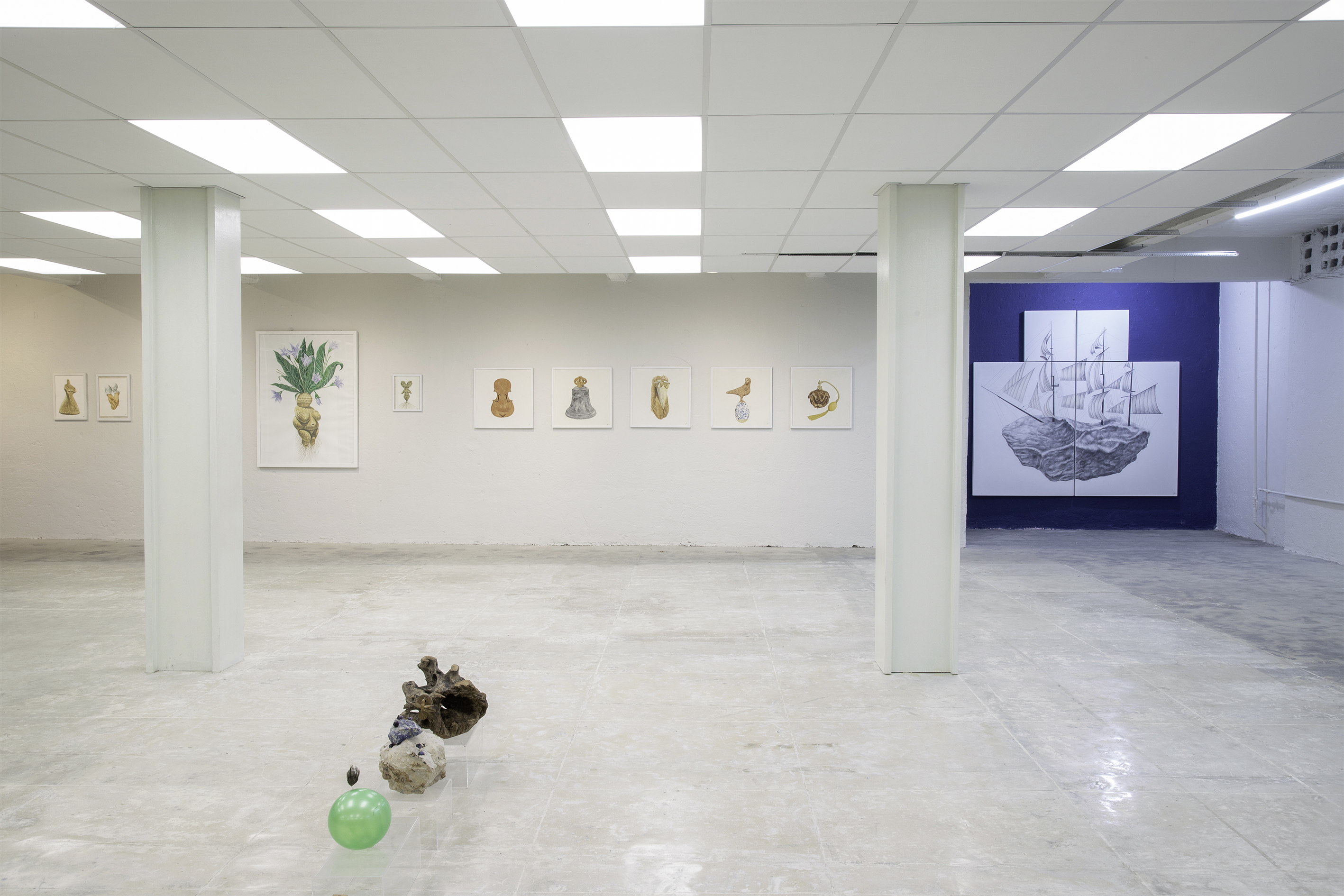
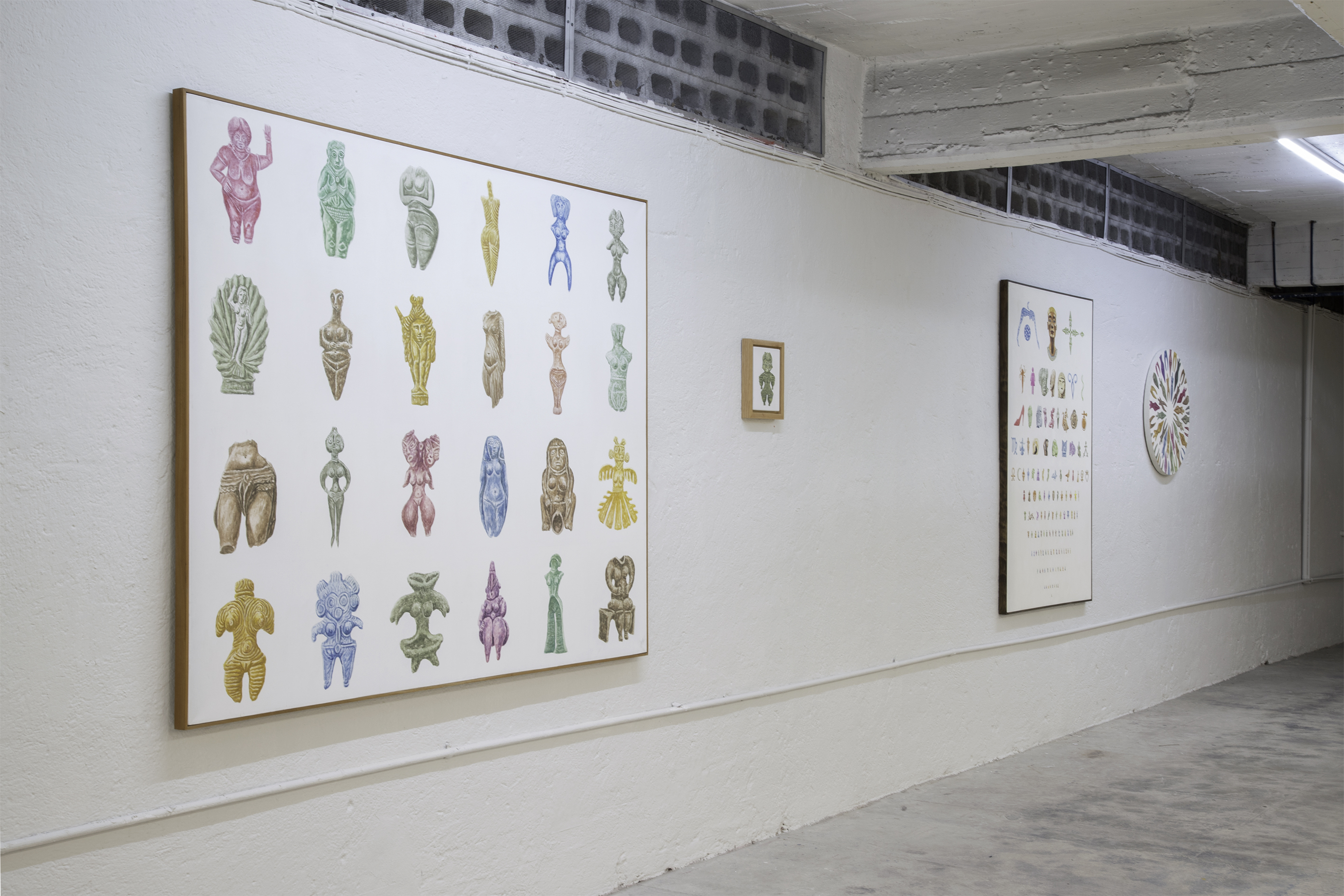
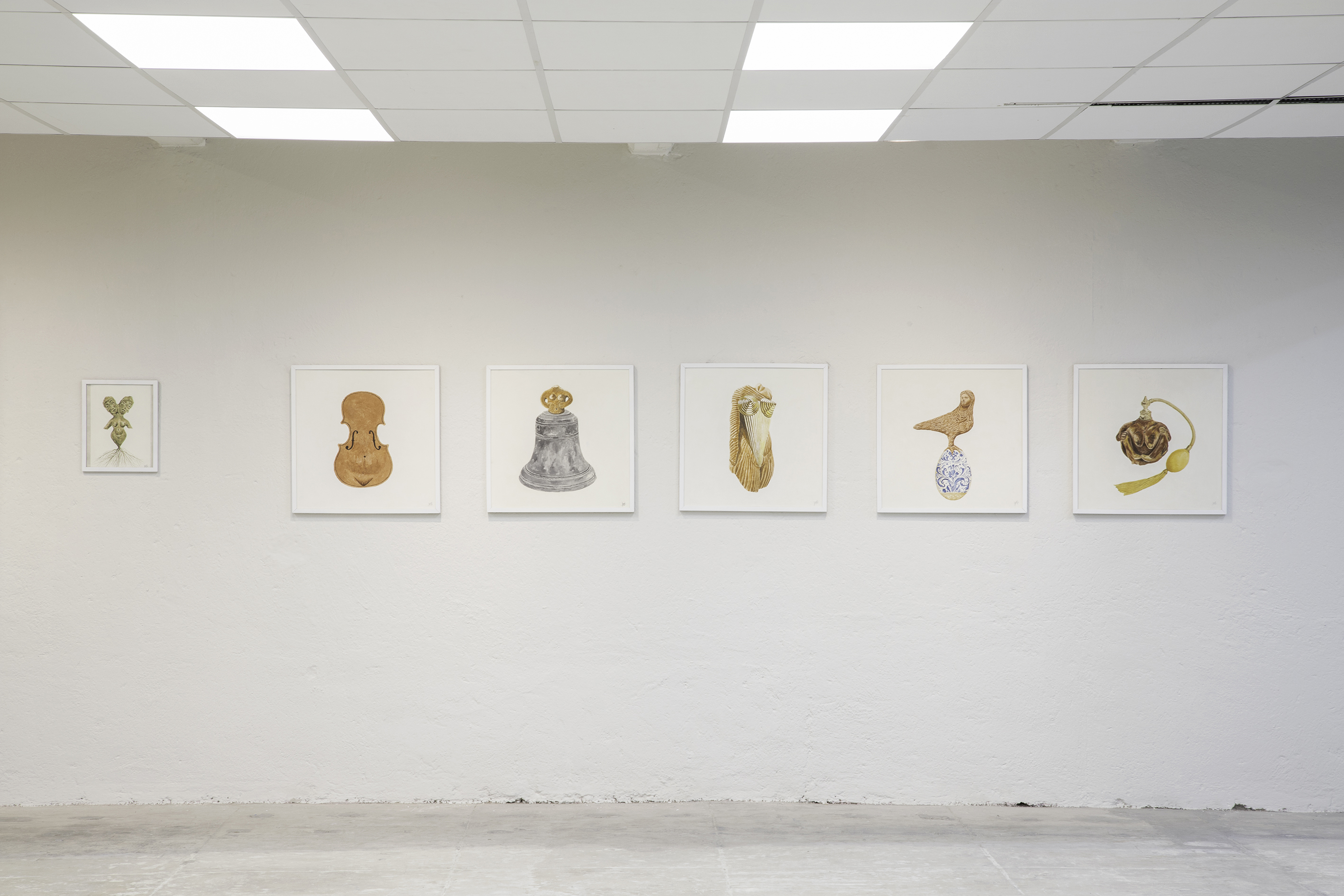
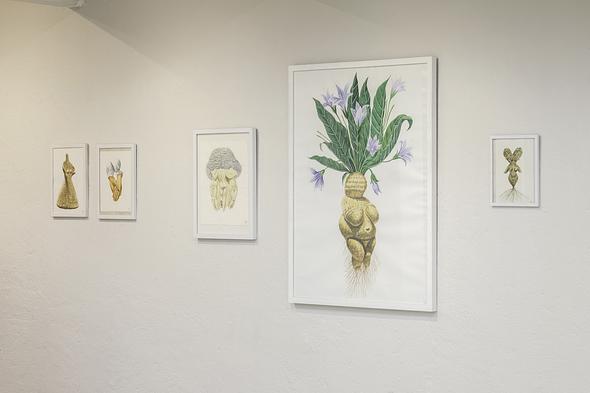
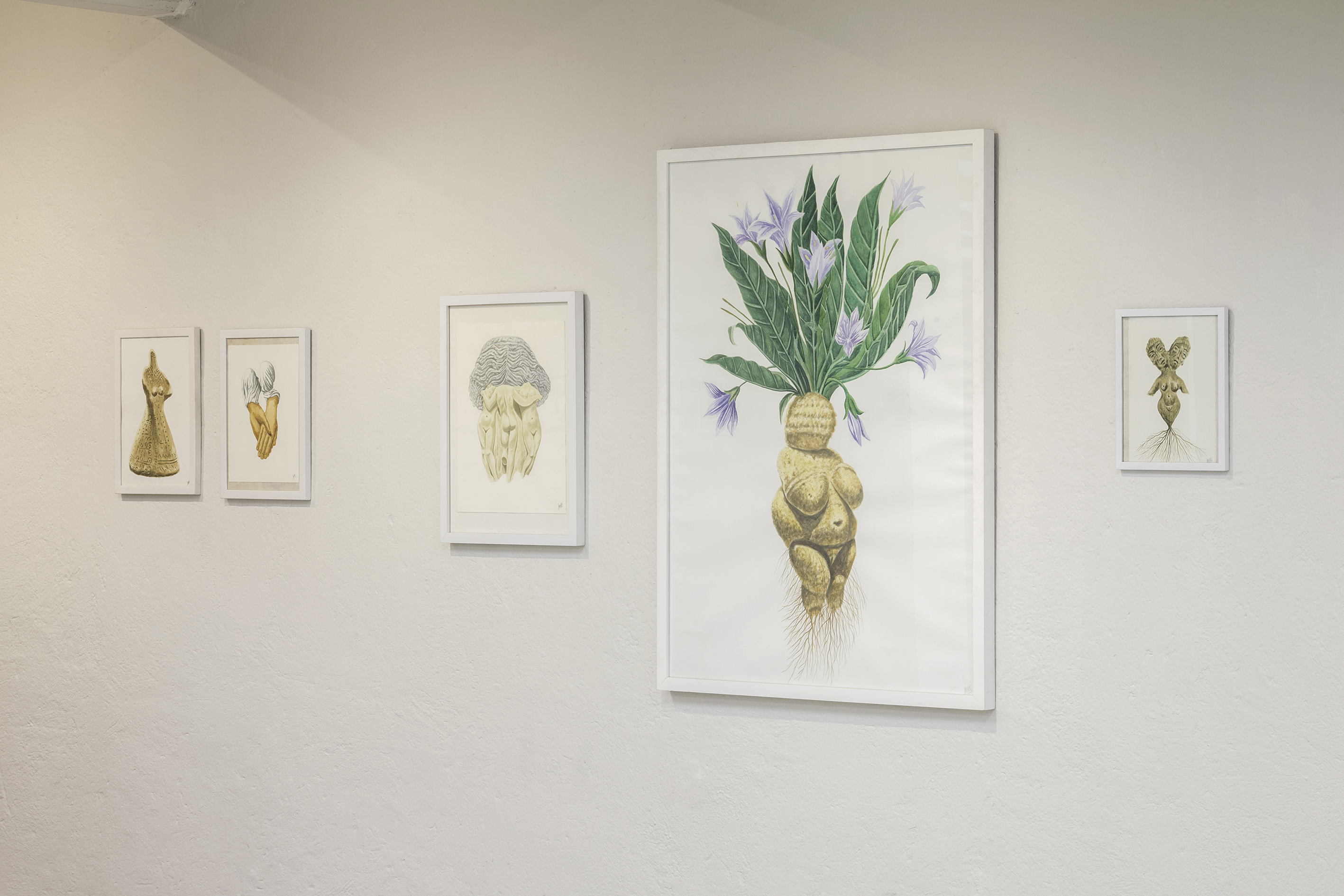
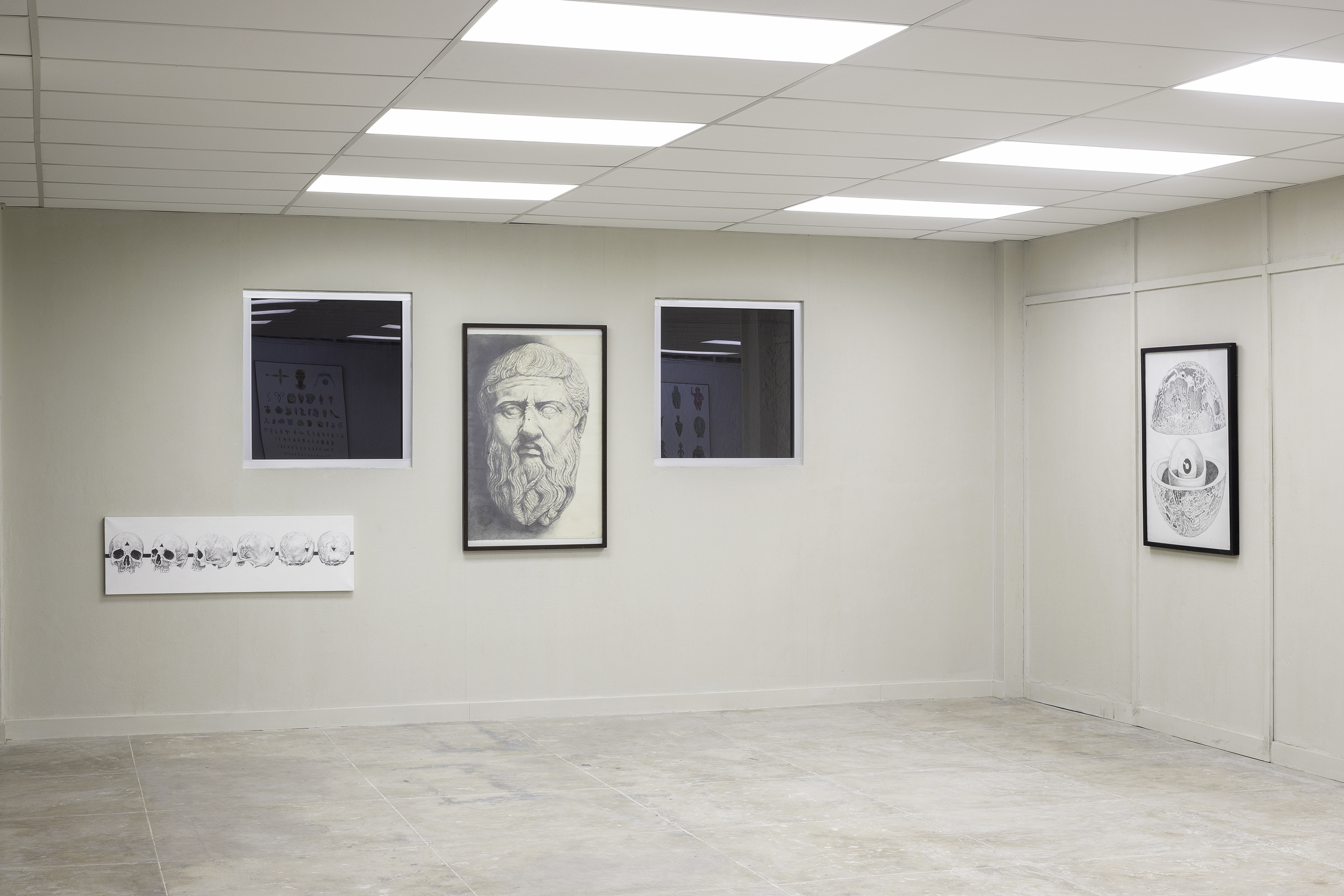
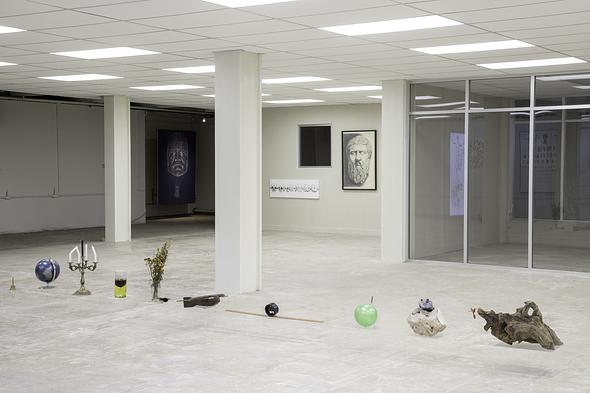
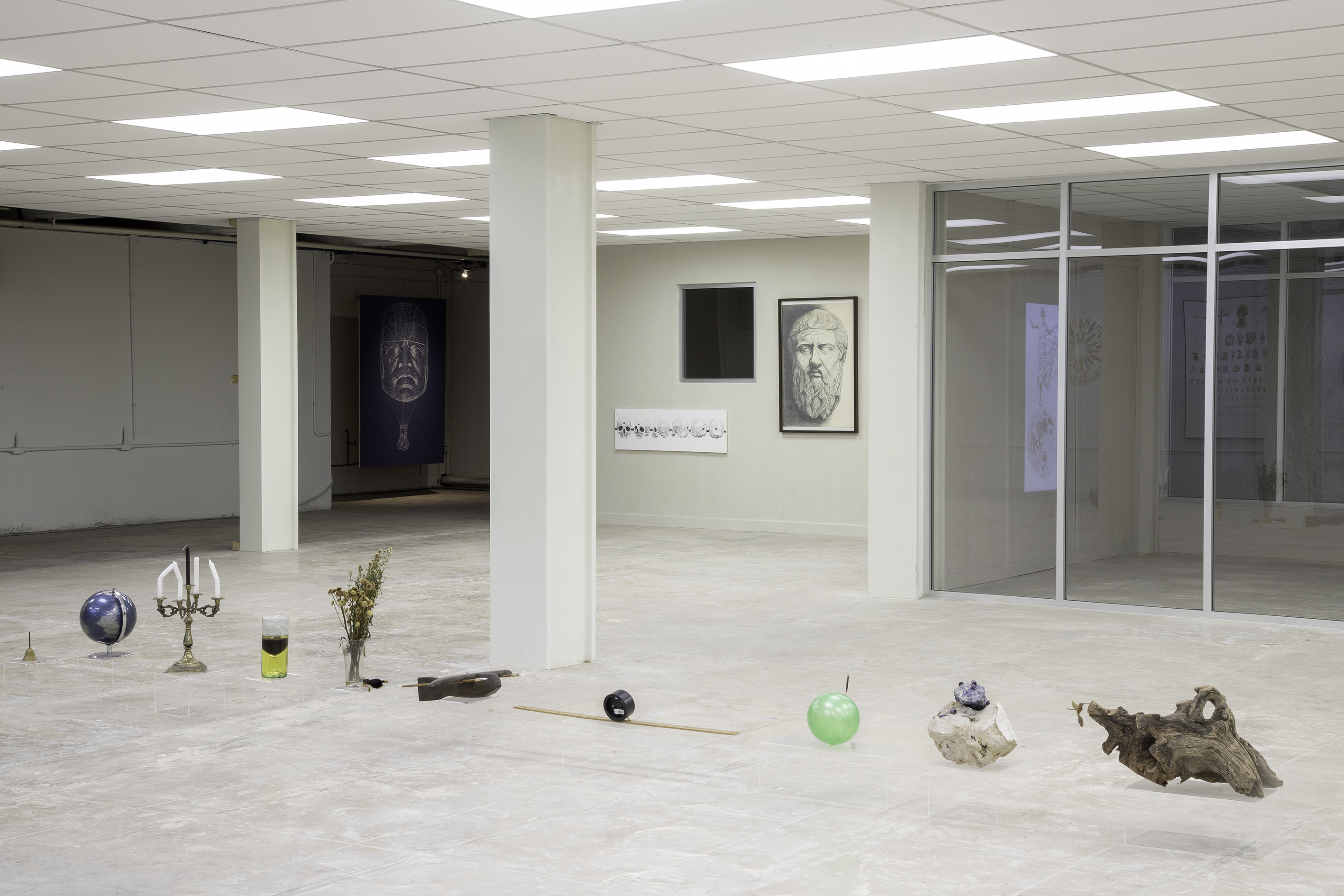
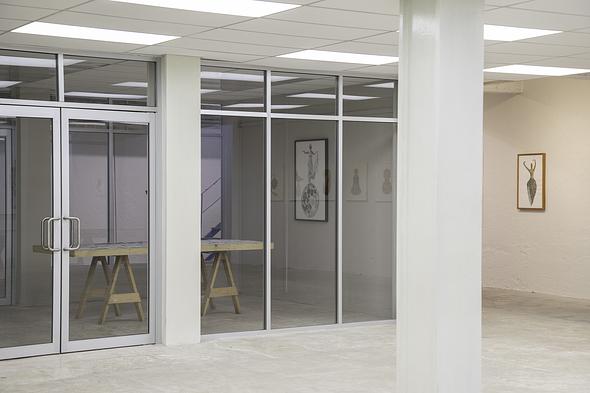
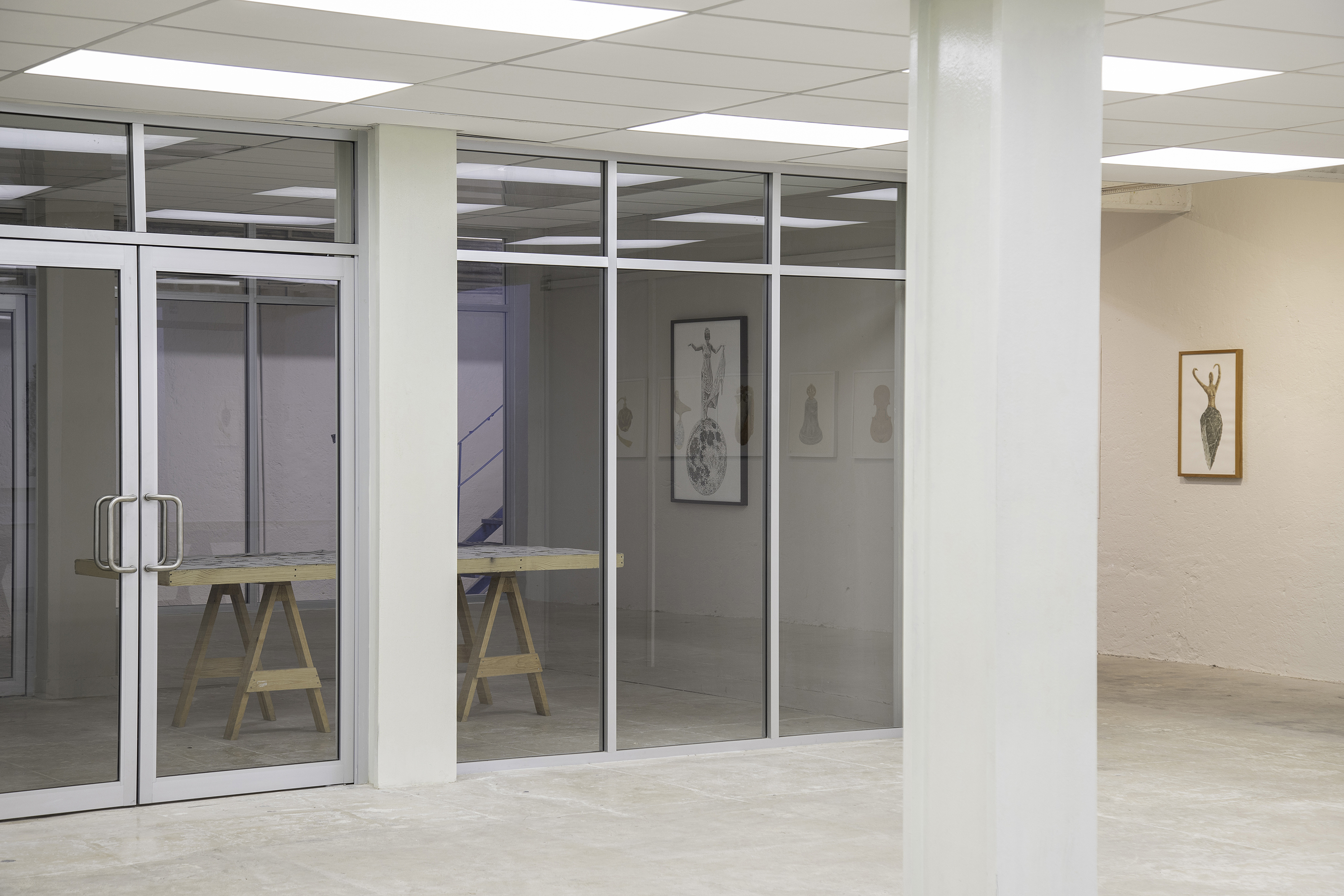
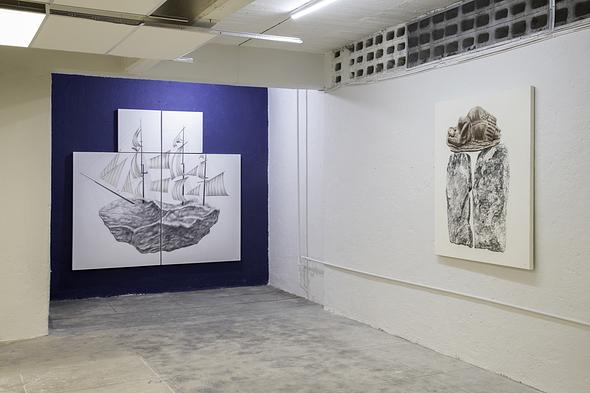
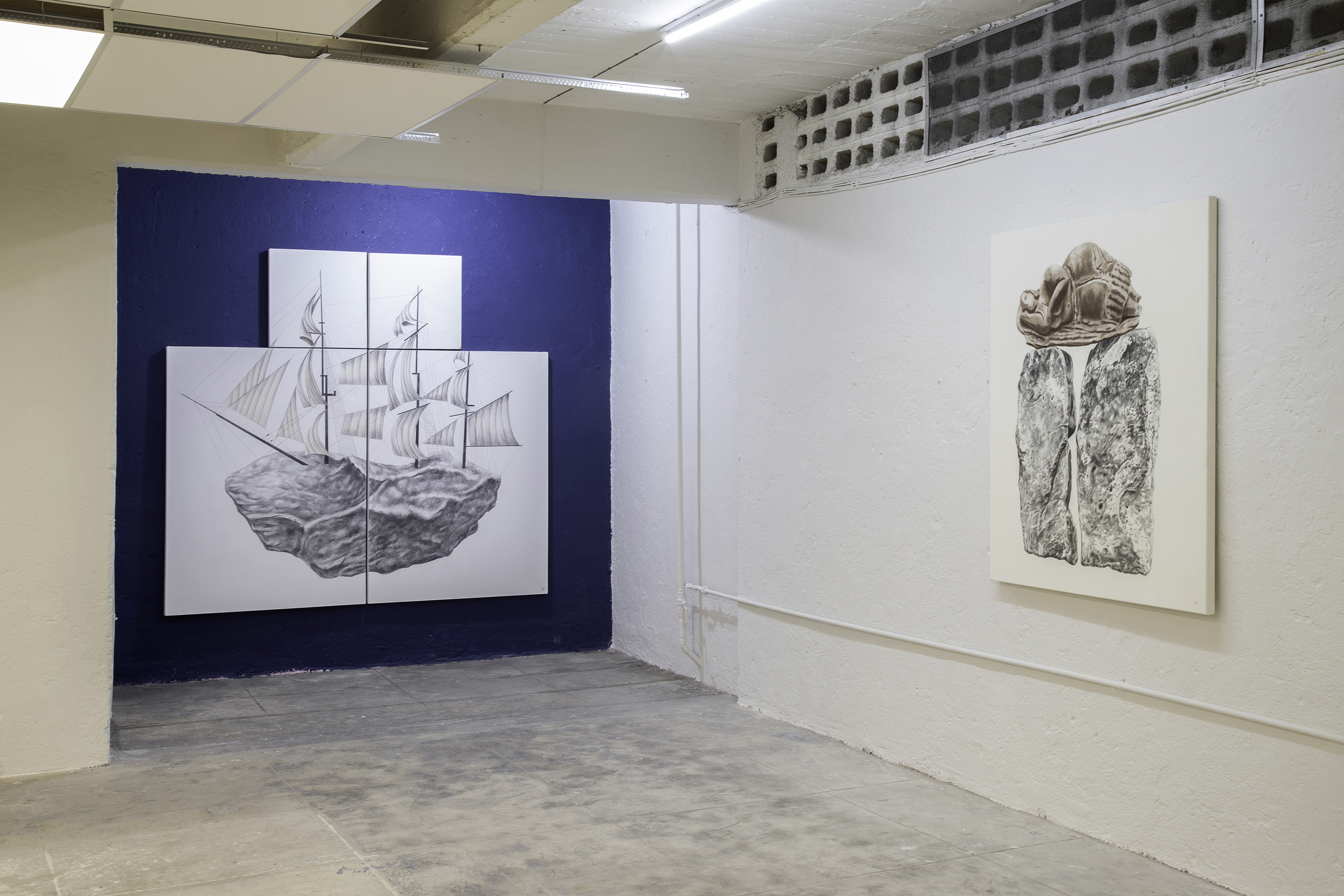
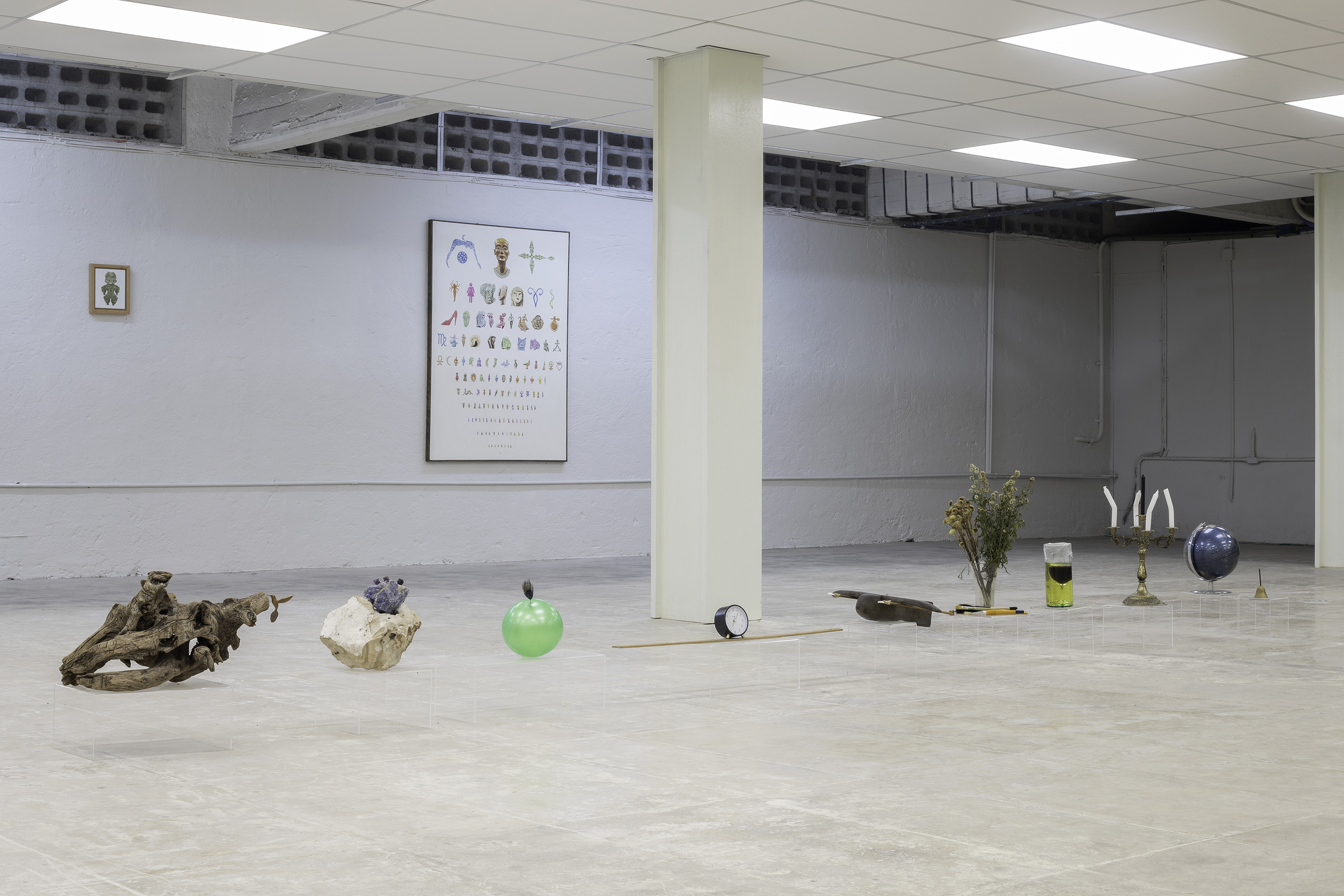
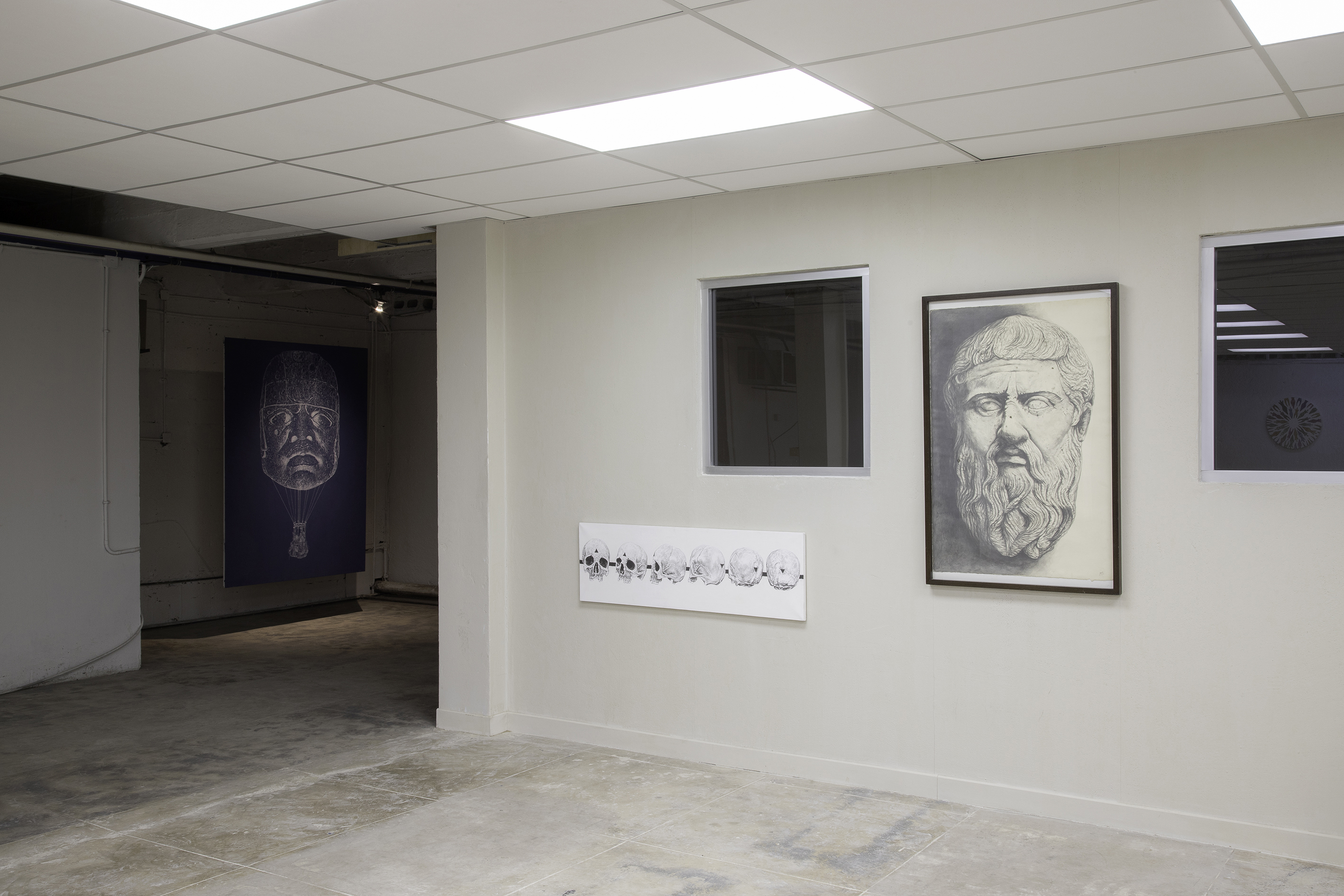
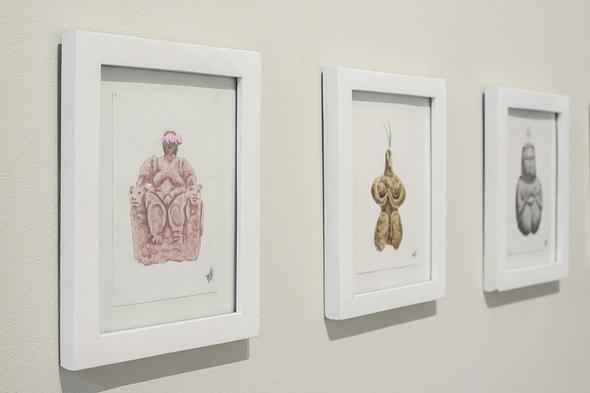
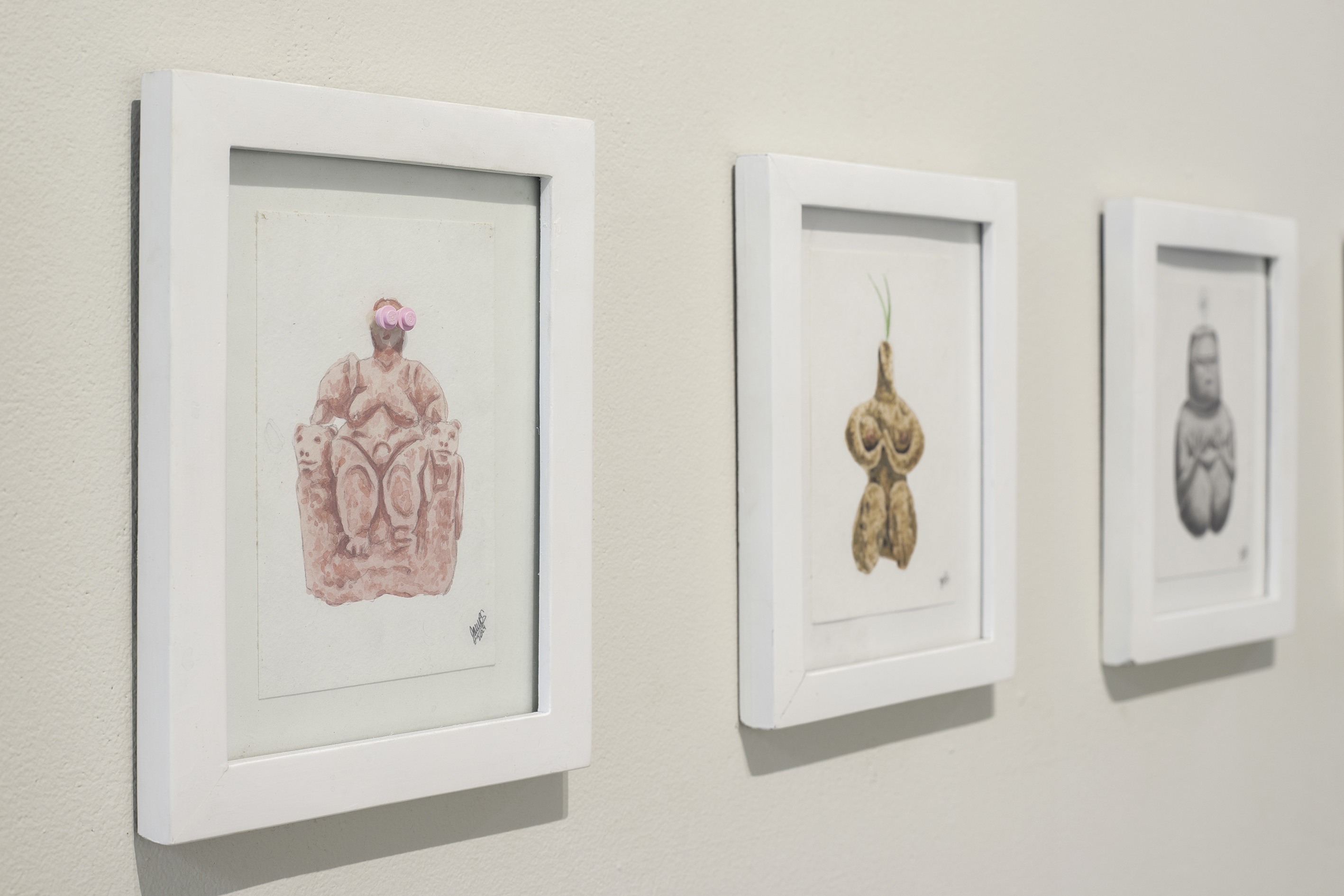
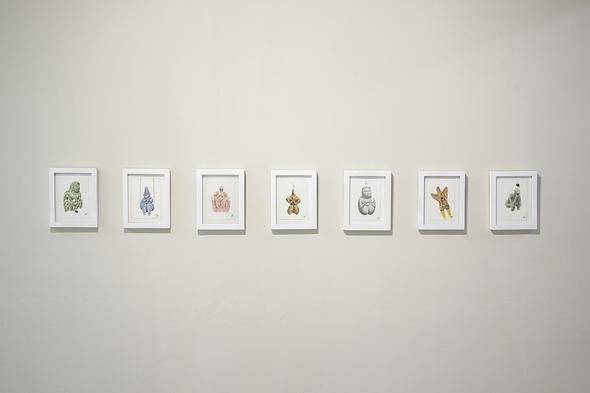
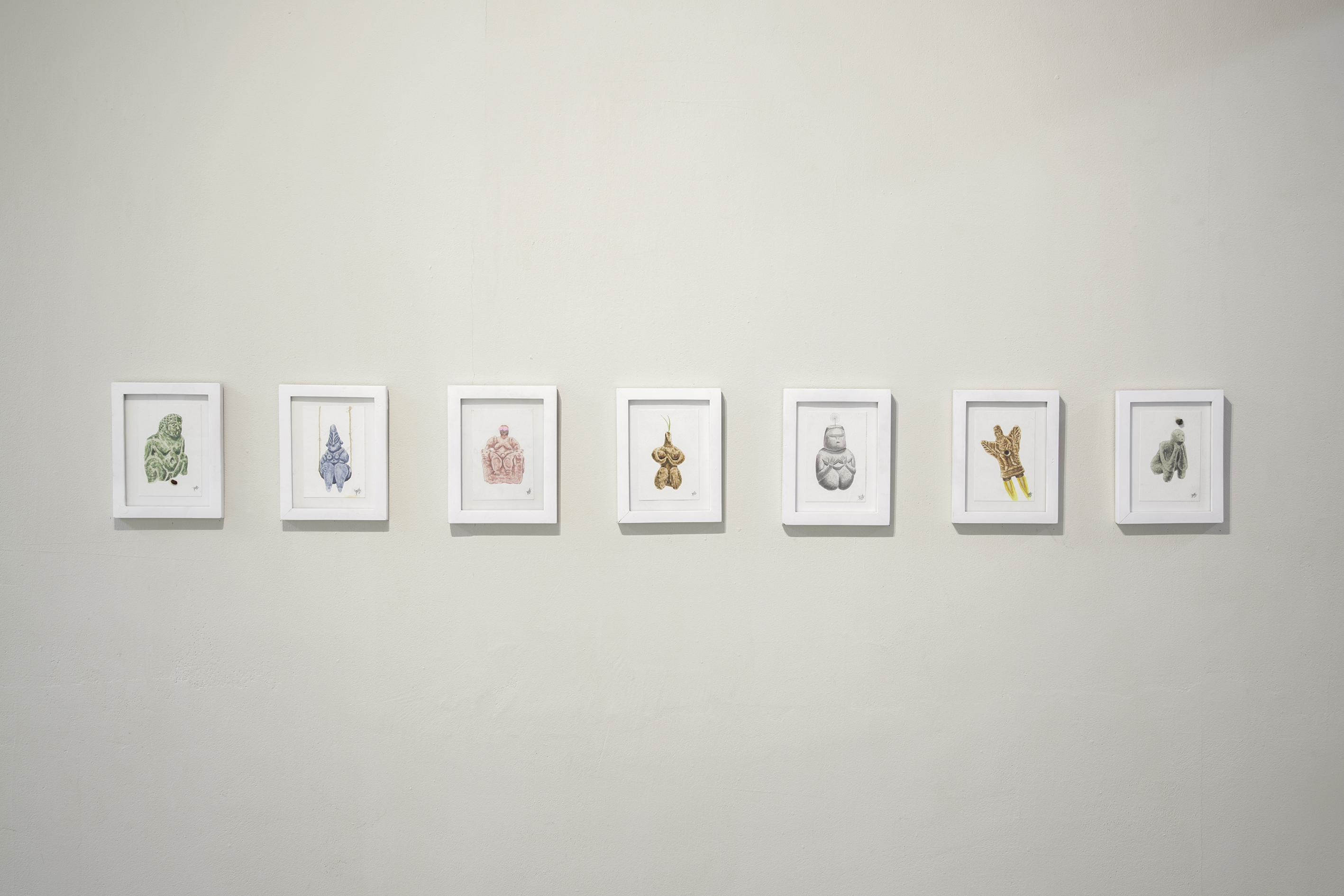
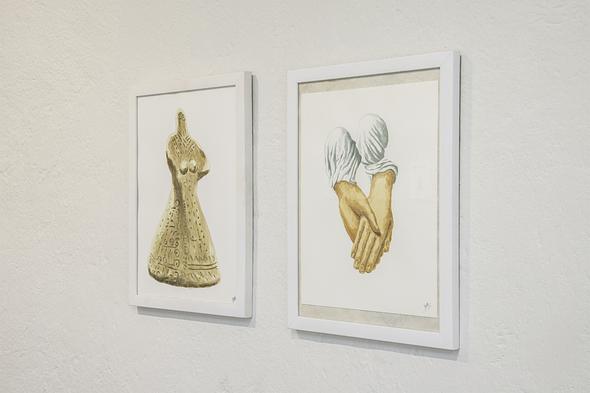
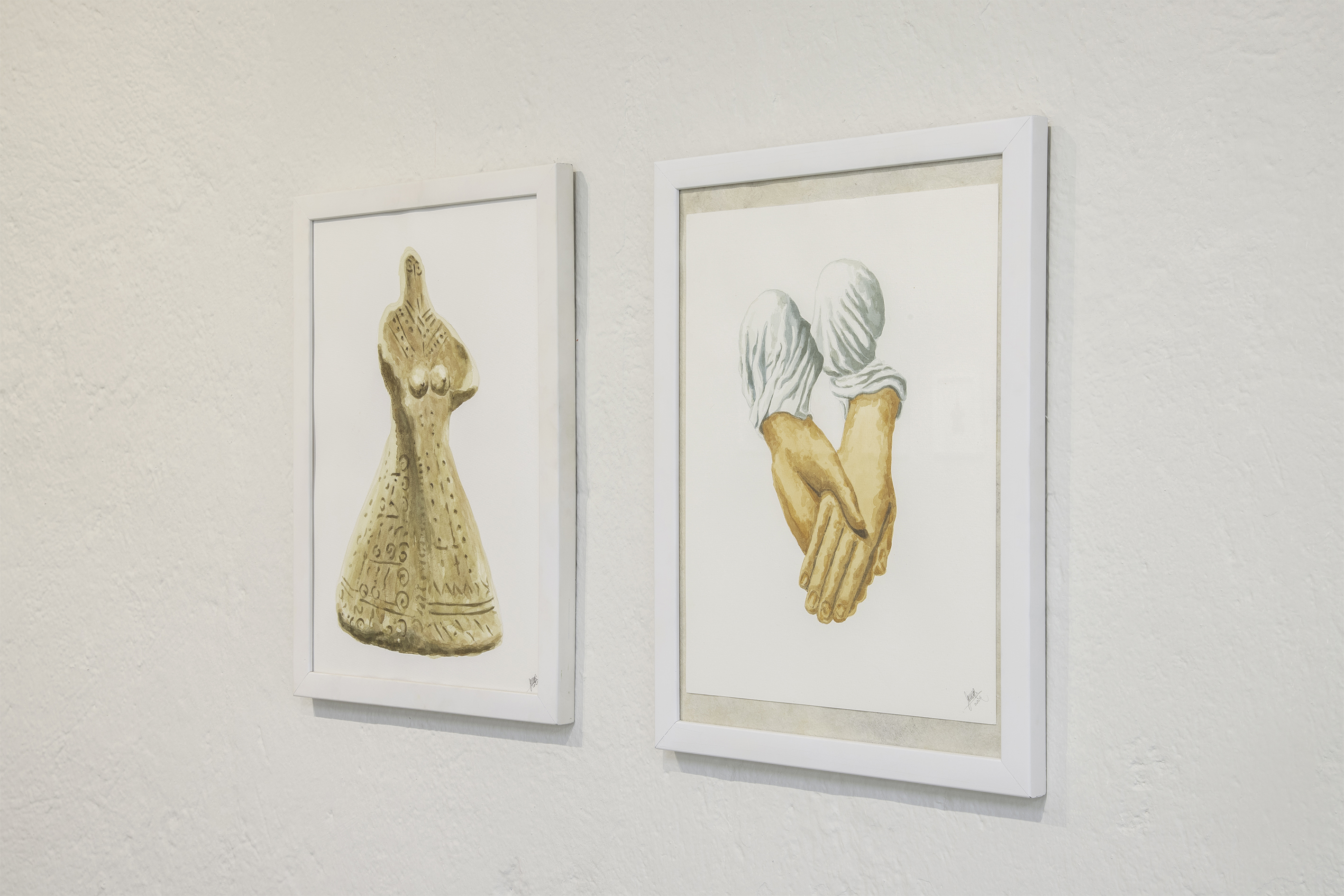
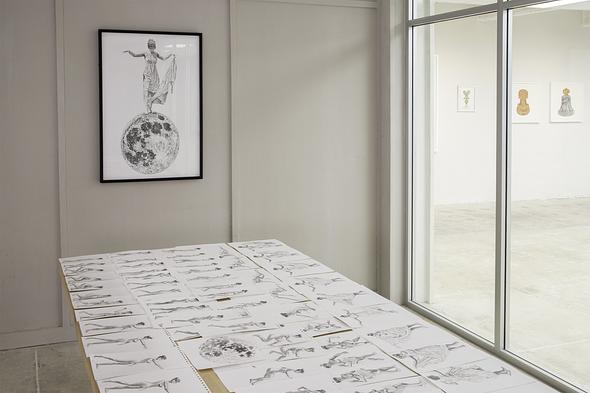
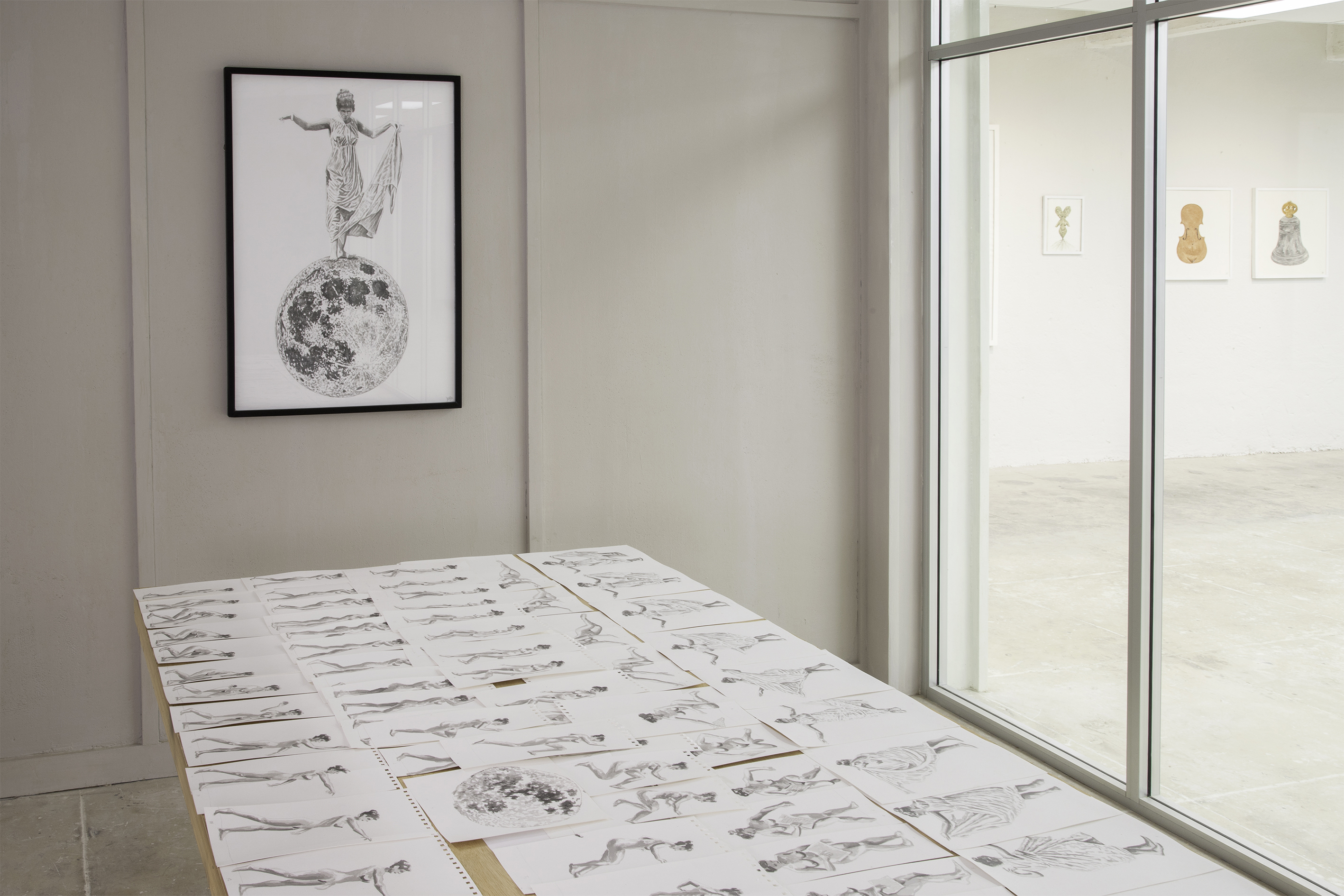
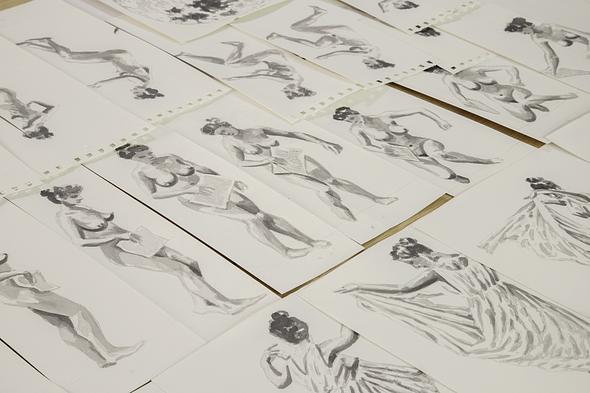
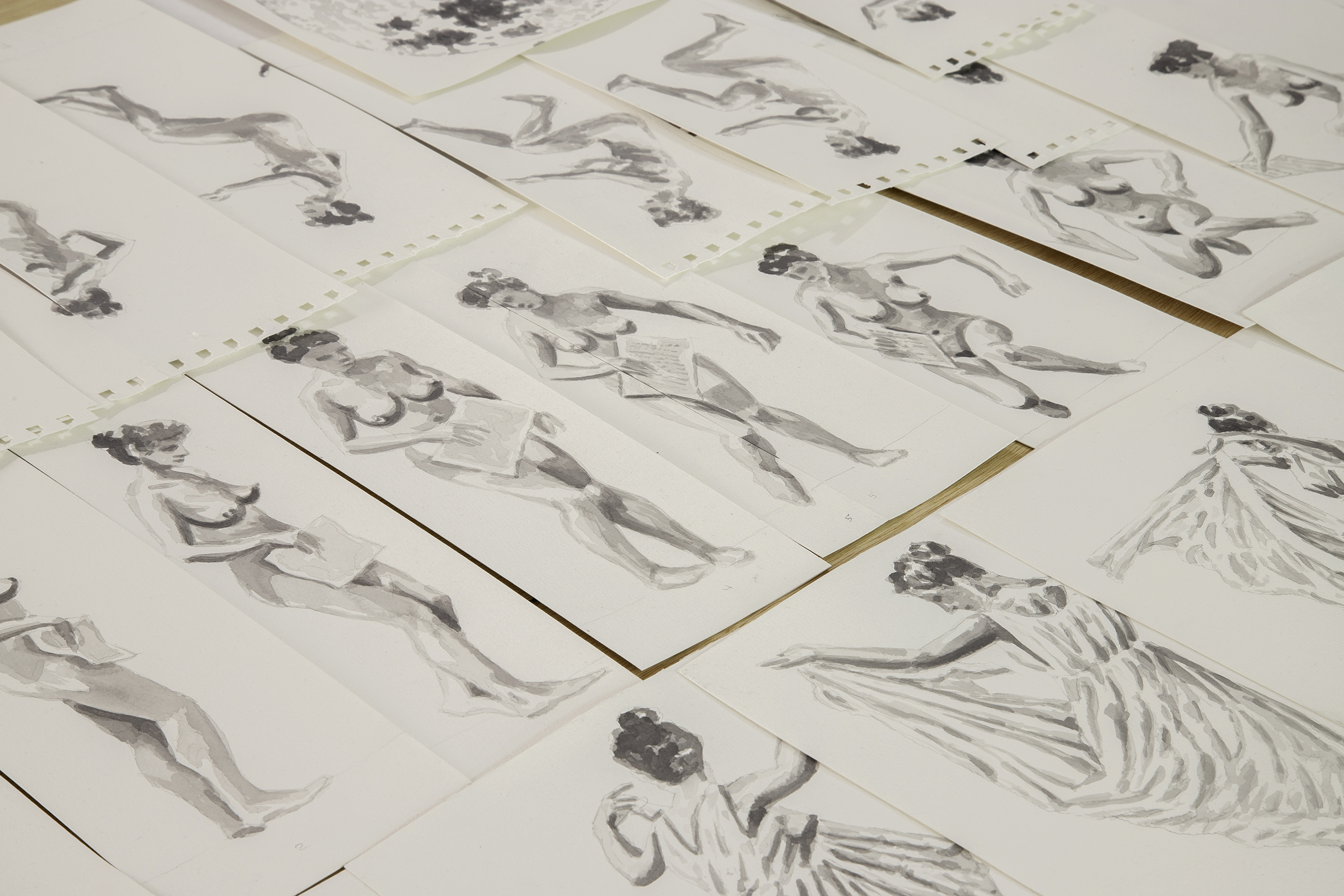
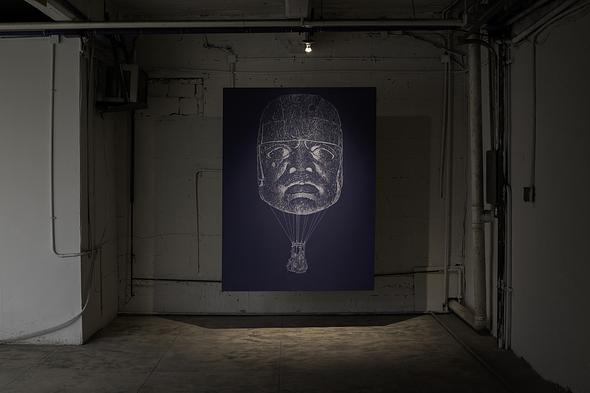
This exhibition is born of curiosity, that primary impulse that has been both fire and oxygen for human evolution. James Bonachea constructs, within a liminal space, a collection understood as an inverted archaeological gesture, rather than excavating the past to explain it, he plants fragments of a possible civilization and, in doing so, offers us the opportunity to look with a new lens, with the innocence of one who has no notion of their past.
To enter the Collection of Wonders is to cross a threshold into the artist’s universe, where nothing is what it seems. Bonachea reimagines and activates echoes of those who are no longer here, inviting us to suspend what we have learned through a rich and contradictory cultural polyphony. Within a web of references that converse between the prehistoric and the mythical, the artist fabulates a parallel history of civilization, opening a dimension in which history is not linear and time folds in on itself. Here, the journey ceases to be geographical and becomes mental: Homo sapiens, who once departed from Africa and crossed continents, reappears as an entity that expands culture, symbols, and consciousness, opening the way to another level of perception.
In these works resonates the memory of a time when the feminine occupied the symbolic center of the world; a time when giving life was a magical act and order was matriarchal. Woman, the pillar that sustains the continuity of existence, attuned to the cycles of the moon and the sensitivity of a mother, reminds us that every origin is movement.
What story does time invent when it comes to a standstill? What does wonder discover when it stops seeking answers? What does imagination invent when it no longer needs to explain itself?
The pieces return our gaze like a mirror and question how we see and how we imagine life, proposing a return to the essential, to the human, the natural, and the capacity to imagine. An imagination that, inhabited from the present, becomes a tool to create the future and rewrite our own history.
Marisa Falcón, 2026